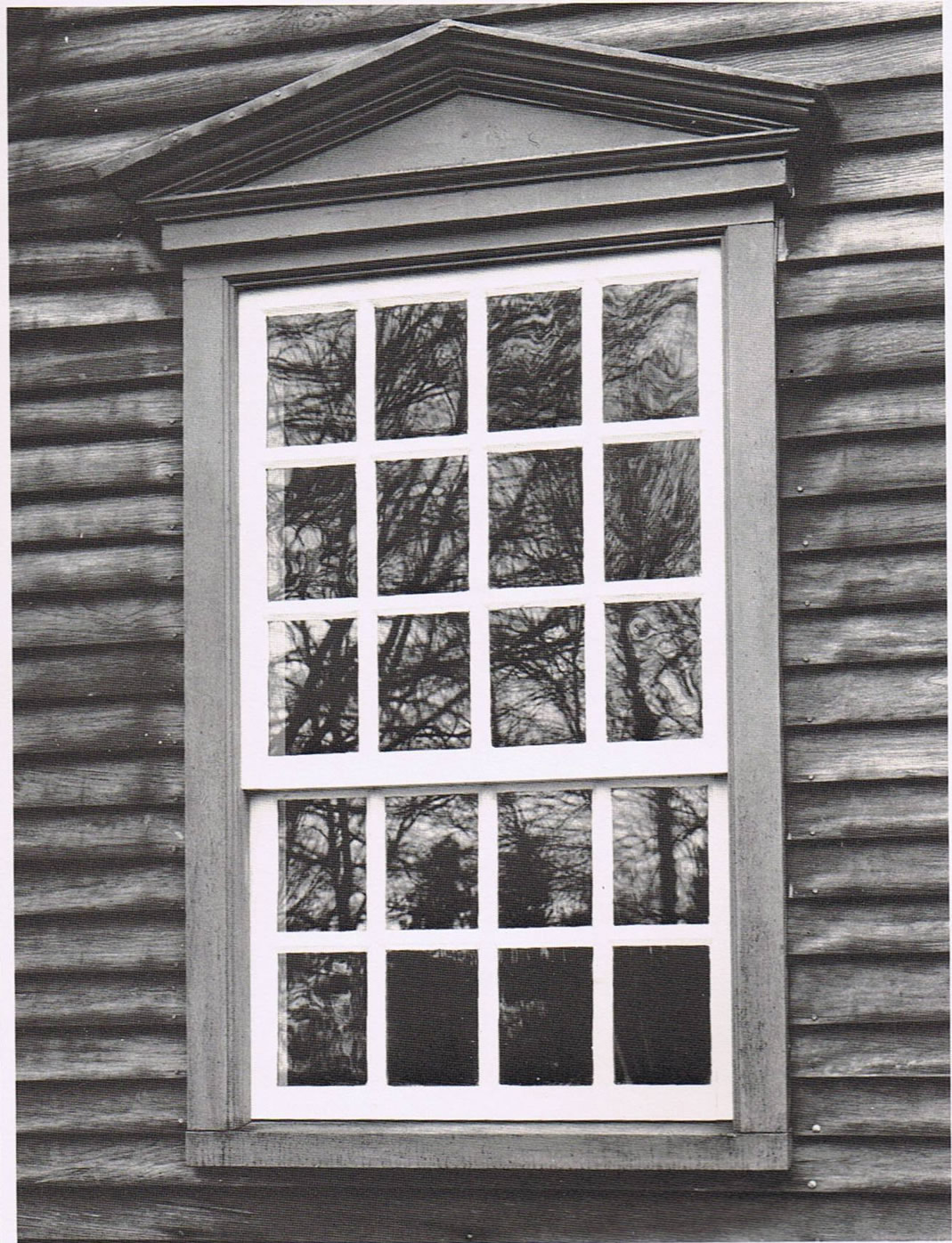
and good will to men

This is one time of year that we take that old adage to heart – to light a candle rather than curse the darkness.  Homes everywhere this time of year are ablaze with them.  Candlelight shimmers from every window – small paned and large – homes are aglow.  It’s a beautiful sight.  One that not only evokes memories of a special season and holiday, but one that celebrates hope.  Hope, a light that is never quenched. A light that, no matter how weak the embers,  someone will always come along to stoke it back to life.  That is the message of the season, whether you are religious or not.  Christmas was not celebrated in colonial times, but their homes were brightly lit with candles, at all times.  What was once a necessity is now a charm, and a reminder  from the struggles of their past that with  perseverance, kindness and compassion, good will prevail.

During the recession of the 1930’s FDR provided hope for the unemployed with his New Deal.  Through the Works Progress Administration, millions were put to work.  Artists painted murals, engineers built bridges and roadways, architects and draftsmen documented American architecture.

I was looking for a book recently on Georgian architecture and pulled one off my shelf called Great Georgian Houses of America.  Usually I just flip through the pages looking for specific design elements and details, but this day I happened to notice the cover text above the title which read – “Architects’ Emergency Committee.”  What on earth was that?  The Preface explained all, and it was inspiring.  Thank goodness that these men were given this task, to give them a sense of dignity and hope during difficult times, and in return, they rekindled the hope that our most important American architecture would be preserved for the future.

I want to share with you the words that Mr. William Lawrence Bottomley, Editorial Committee Chairman, wrote in his Preface to Volume II of this Dover Publication.

“….The object in publishing these volumes was to give work to draughtsmen thrown out of employment in the recent difficult years and in so doing improving their morale, giving them training in an exact and serious technique and rendering financial aid.  It has been a great pleasure to this committee to see that many of these men joining in this work did so with great enthusiasm and to find that from being in a state of discouragement, with all its attendant ills, new courage, energy and happiness were the result.

This committee has made it a policy to give employment to all men making application irrespective of their experience in this type of drawing.  Many were well qualified and experienced while others needed much coaching.  While this training was valuable to all from the educational and technical points of view it was particularly useful to those whose training had been more on commercial and less on artistic lines.

In brief we wish to report that one hundred and ten different men have been given employment in the period from 1932 to 1937 and that this represents nineteen thousand, two hundred and one work hours during this time.  The first edition of two thousand volumes is almost exhausted and all the funds from these two volumes have been expended on this object without paying any profit or overhead outside of the actual costs of publishing and mailing….”

May we remember these old fashioned values during our own difficult times, and find ways to light candles, instill hope, and help others during this season, and beyond.   May hope, health and good will be with you over the Christmas holiday and throughout the new year.

I could live like this

Rough Point

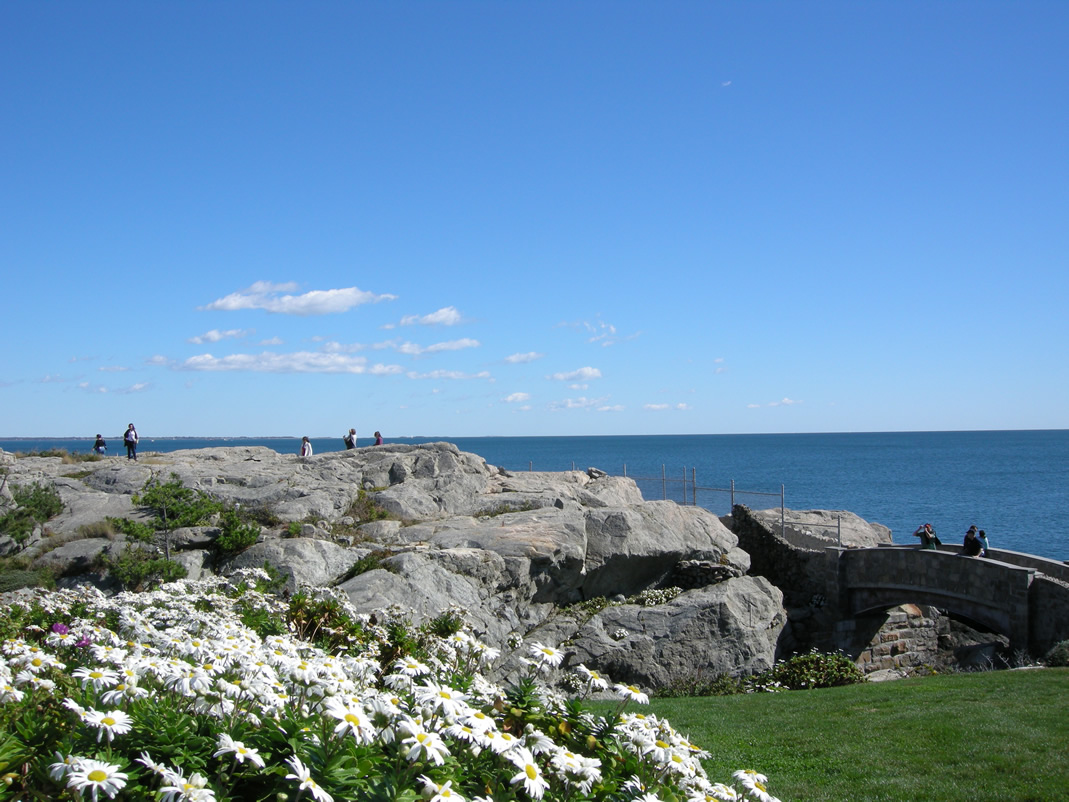
Have you visited Rough Point?  The home of Doris Duke, heiress to a fortune and colonial Newport’s most famous benefactor, sits at the end of that millionaire’s mile, Bellevue Avenue, overlooking the majesty of the Atlantic.  Rock cliffs, glistening waters, blue skies and gentle breezes are the backdrop for Frederick Law Olmstead’s landscape and the manorial home built for a Vanderbuilt.  Doris’ father purchased the home in 1922, renovated it, and died shortly after, leaving his estate and millions to his 12 year old daughter.  Since her mother, wealthy in her own right, would probably remarry, Doris’ father made sure his daughter was personally provided for, for life. Was she ever.  Despite having never attended college, she proved quite capable of managing her affairs, properties and fortune.

Her life story is the stuff of movies – from a failed first marriage to a failed but glamorous second –   she was a world traveler, collector, philanthropist.  Her summer home, Rough Point, was donated to the Newport Restoration Foundation in 1999, an organization she founded, and is open for tours in summer.  The tour is a walk through her story and history.  Her collections of art and antiques are placed artfully, and comfortably, throughout the home, the perfect background as the guide weaves you through the many rooms and stories of her life. From the drawing room to the solarium where Doris entertained locals like Jackie Kennedy, and enjoyed the company of her pets,  from a dozen rescued dogs to a few camels (yes camels!), every room in the house is both a surprise and a delight.

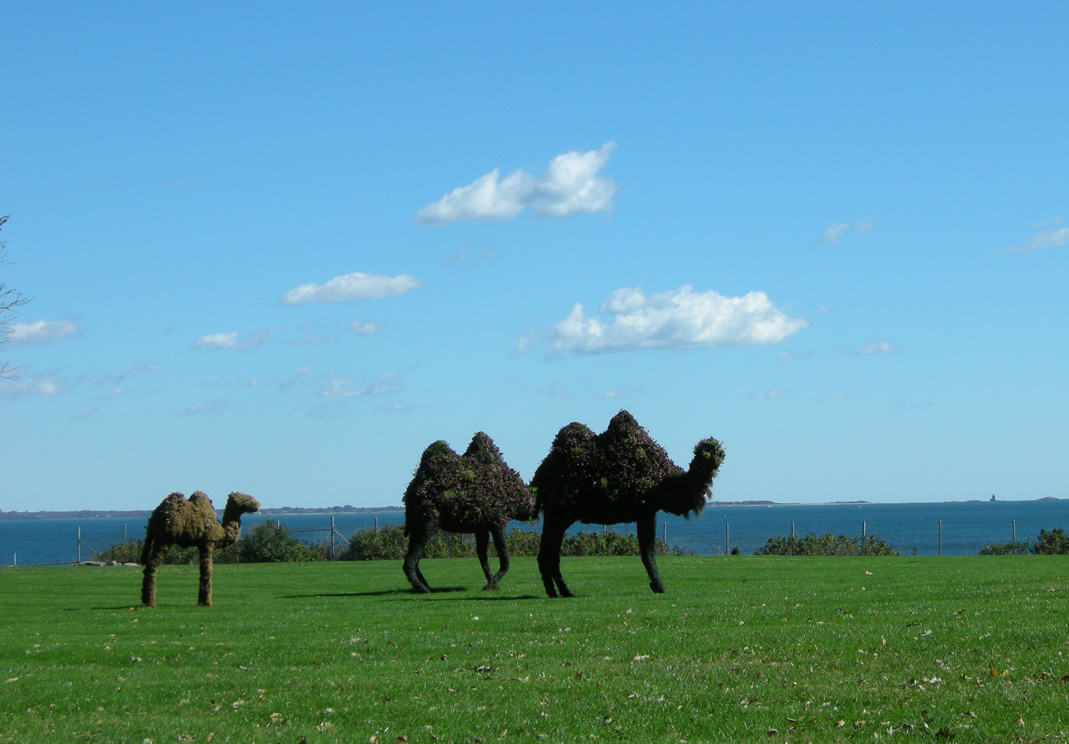
At first arrival, as you drive into the driveway to the parking area, you are greeted by two topiary camels.  They represent the real ones that once roamed the grounds, gifts from a Saudi billionaire.  As we parked, a couple was returning to their car next to us, both insisting adamantly that this was the best of all the mansions they’d visited.  We were excited to hear that.  While waiting for the tour to begin, we roamed the grounds.  Breathtaking.  The only negative for these mansion-owners is the Cliff Walk.  While great for the rest of us to be able to walk the entire point and share their grand views, it has always been an intrusion for the residents.  Somehow, they manage.

While other mansions can feel palatial and ostentatious, this one, despite its size, feels homey.  Perhaps because Ms. Duke actually used it regularly, up until her death in 1993.

Meanwhile, nearby Newport was crumbling.  The neighborhood around the working wharves had become a place that the well heeled would avoid.  Dickensian streets with crooked buildings and broken brick chimneys, stood in contrast to the  Gilded Age palaces.  Settled by Baptists, Portuguese Jews and Quakers – now there’s an exciting and unique history to explore – Newport was the first capitol of Rhode Island.  Its history is fascinating, from whaling port to pirates, marble mansions to Jack and Jackie, from decline to restoration, from colonial to palatial, this city’s diverse history can be read at every corner.   One could spend years discovering it – and it would be worth it.  And it is all thanks to Doris Duke’s vision to restore that city, house by crumbling house.  You can find all the info on Newport’s restoration at the Newport Restoration Foundation’s site, and in their book – Extraordinary Vision: Doris Duke and the Newport Restoration Foundation.

Put Rough Point on your list of places to visit next spring, and Hunter House, and have chowder at the Black Pearl on Bannister’s wharf, enjoy a harbor cruise in the afternoon, and dinner at the White Horse Tavern.   And if there’s room,  the Viking Hotel – it’ll be one terrific weekend!

Hunter House, Newport RI

Happy Thanksgiving

Thanksgiving is stories of Pilgrims, Indians and survival in a new world.  Most of all, it’s personal stories woven around home and hearth.   Good stories of families and friends, gathering in celebration and thanks-giving for the blessings of abundance and the seeds of freedom planted by our ancestors, cultivated by generations, and nurtured today by ours.

Best wishes to you all for a very pleasant Thanksgiving holiday!

Copy and paste this link for info on the first Thanksgiving from the Pilgrim Hall Museum site – enjoy!

http://www.pilgrimhall.org/1stthnks.htm

who will be the caretakers?

One chilly New England morning in our drafty 17th century house, our daughter was hurrying around in nylon stocking feet across our splintery wide pine floorboards in search of shoes.  Needless to say, she was not in a good mood when her stockings caught on some protruding rose head nails  “completely ruining her day.”  More than thirty years of living  in this house, maneuvering through the worst of its restoration days, and she still thinks she can walk barefoot across the floors unscathed?  She swore that if we left her the house, the first thing to be replaced would be those ornery floorboards.

And I thought I knew this child?  I actually thought she would be the one who would care the most.  I thanked heaven for that revelation, and now know what to do with our house when we’re done with it.  There will be interviews!  There will be a protective covenant!  There will be photos and pleading and overseers.  I will pay someone to maintain “no trespassing signs” for perpetuity.  I’d rather nature took it back than have some ignorant soul replace the floors with smooth sanded tongue and groove, the windows with insulated ones with snap in grills, vinyl siding, asphalt roofs and aluminum doors.  Our biggest nightmare is to have a future owner disgrace it.  But unless you can leave it to a preservation society with a huge endowment, there are no guarantees.  Ignorance, naiveté, insensitivity, abound.  The only guarantee is that, if possible, future owner be forewarned – I will come back to haunt you.

This brings me to a question that many of us antiques lovers are asking these days – is there enough interest from today’s youth to sustain these old homes for tomorrow?  Everyone under 40 seems to be glued to their blackberries, computer screens, GPS’s and cable TV.  In between they’re fitting in everything from Yoga to Zumba, carting kids to a dozen activities, and trying to earn a living in a recession.  Who has time to care about old houses?  They’re expensive to fix, drafty to heat, and difficult to maintain.  In an age of quick fixes and cheap solutions, ambiance, character and history take a back seat.

It’s a cycle.  These homes have lived through this before.   Many were lost, but this time I think the indignities previously mentioned, like vinyl siding and asphalt, will actually sustain them until that next generation of sensitive, caring folk – enjoying a recurring prosperity – can rediscover and restore them.

Recently I wrote a letter to an editor of an antiques journal, commiserating with his laments on the digital age and lack of youthful interest in all things old.  Here are excerpts:

Hello Mr. Fiske,

…..I was just reading your article about the digital age.  Well done, as usual, and a bit distressing.  Yes, we are surely seeing a great change in technology and culture as we’ve previously known it, and we, as old dogs, will have to learn new tricks.  It’s disconcerting at this stage in our lives, but we were not promised an end to the challenges, just a little help with medicare and living expenses :)

But our hearts still warm at the sight of a banister back chair, or the warm patina of an old dresser.  And yes, there’s nothing like seeing it in person.  Of course, I have to touch it.  I have to reach into the past and connect with its maker.  (Which is why I’m dangerous in museums!)  ….. I have hope that the younger generation will eventually come around, and slow down enough to notice these treasures.  While they’re busy right now trying to carve a life out of a dense job market, and scramble through this awful recession, I believe they will turn their attentions backward again, when they realize that everything of substance is behind them.  The virtual world may be good for certain technical, medical and scientific progress, and a bit of entertainment, but we are still human.  We still long to touch something of quality, something hand crafted with style and grace.  We need to connect with our ancestry, and learn something of our past.

I think, for this new generation, it is not the product, but the packaging.  I believe they would love the product once they were introduced to it.  Their heads are in the stars right now, but their feet are still on the ground.  They live in houses that need furniture for comfort and art for the soul.  With patience, wisdom, and a little savvy, we can engage them in their world…..

….Toward that end I am presently fashioning a program to introduce students to 18th century architecture.  I think they’ll be inspired to see the early house frame and how they can take it down and put it up again with pegs, and how the early craftsmen fashioned their doors, their paneling, their cupboards, and how “green” is not a new concept, but it’s been right here in their own back yard for over two hundred years.  If even only a few are inspired, then we can gain satisfaction in knowing that the job of preservation and the work of caring for our treasures, large and small, will continue to flourish with them….”

We must be active and alert in our struggle to maintain enthusiasm for the treasures of our heritage.  It is not just the work of preservation groups.  We must be personally diligent, patient and persevere.

Now I have to go hug my house, and have a talk with my daughter.

The Village of Wickford – A Rhode Island Gem

Center of Wickford

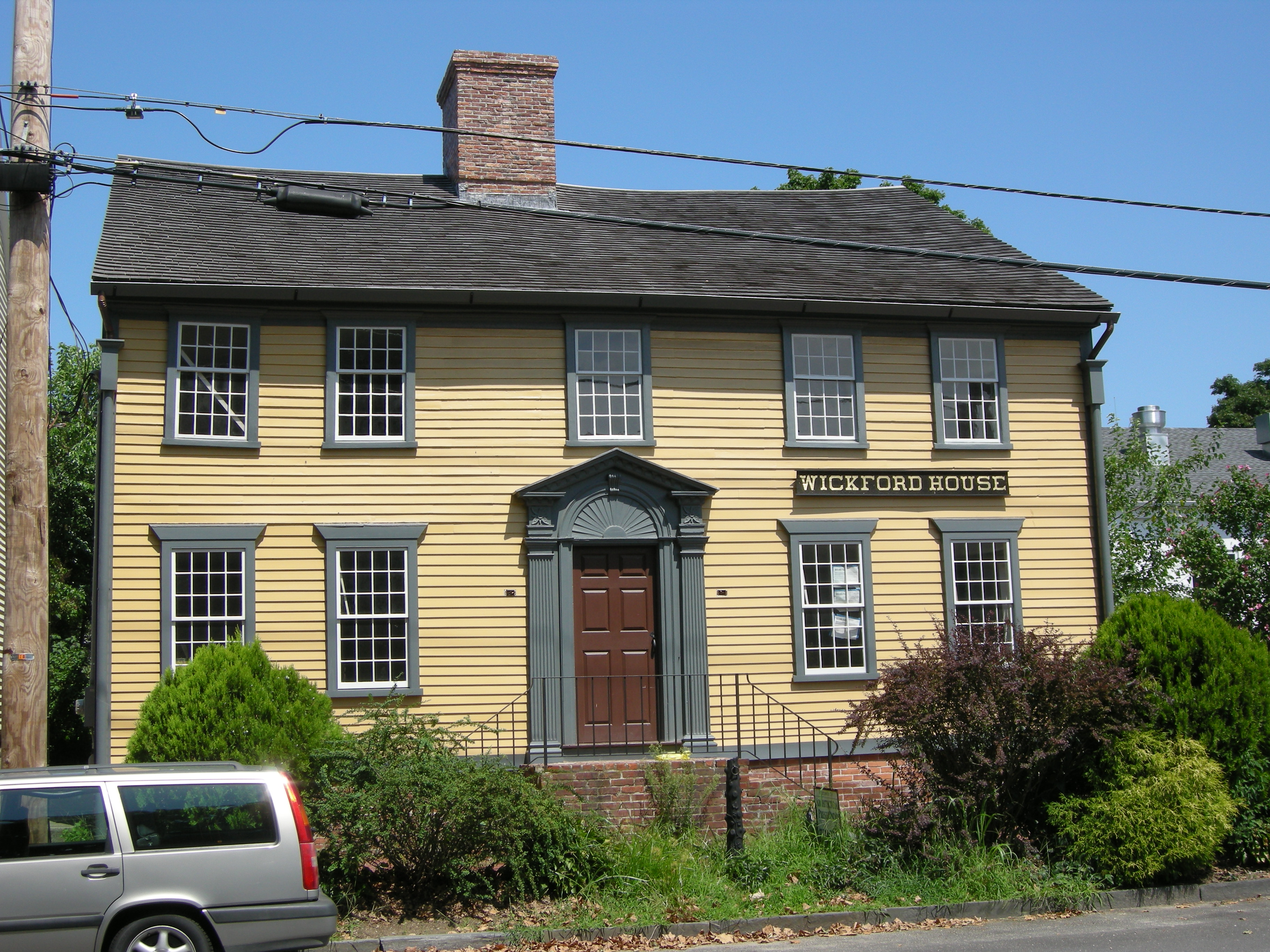
Rhode Island may be the tiniest state, but it offers some of the grandest treasures.  Not the least of which are its charming seaside villages.  While Newport gains most of the attention for its yachting history and marble mansions, there are many other towns chock full of history to be discovered as well.  Wickford is one of them.  Architecturally, nothing has changed there for over a hundred years.  There are no too-tall buildings, instead they’re simple, charming and on a human scale.  You can window shop your way down Brown Street, buy hand made jewelry, a t-shirt or antiques, and then take a stroll down residential Main.  Here time will slow to a snail’s pace.  You can feel it as you pass within inches of old doorways that have witnessed centuries of change, but haven’t succumbed to it.  It is so quiet on the residential side that you can’t help but wonder if anyone lives there, or if even the same old names might still reside in their original homes – names like Updike, Williams and Smith.

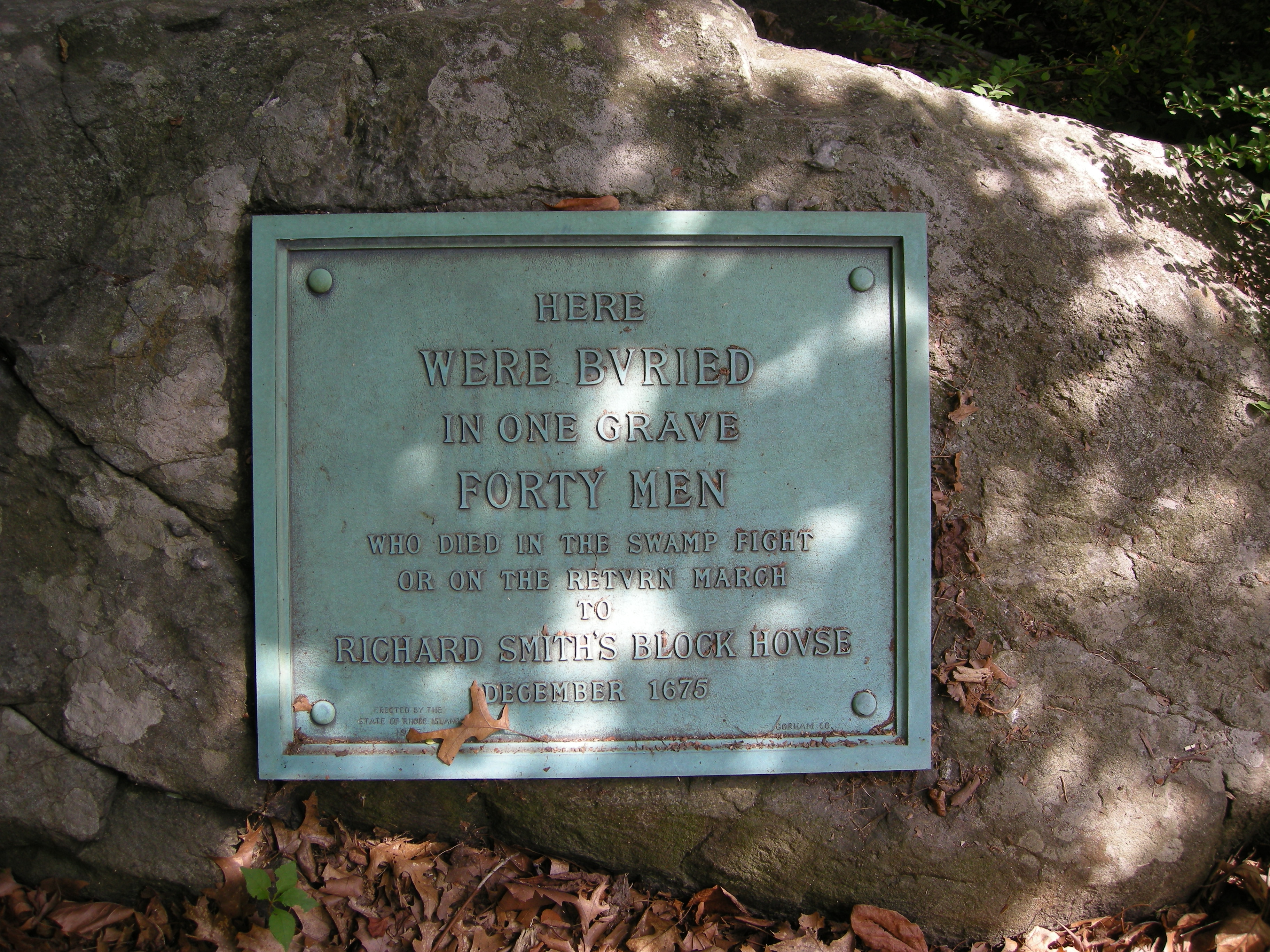
Roger Williams, founder of this Rhode Island colony, was banished from Plymouth in the 1630’s for clashing with their religious ideas.  So he headed west, befriended the Narragansetts along this bay, and set up a trading post with another settler, Richard Smith, in an area a mile north of Wickford, called Cocumscussoc.  He later sold his trading post to Smith, whose landholdings here would expand to a staggering size – nine miles long by three miles wide.   Now, greatly diminished in size but not in historical importance, you can visit this old trading post.  Well, the “newer” version of it, which was rebuilt in 1678 by Smith’s son, after the old one was burned by Indians.  It is now a larger and more elegant house, known as “Smith’s Castle.”  The museum is run by the Cocumscussoc Association.  There is a particular marked grave on the grounds, noting where soldiers fell during the King Philip’s War.  Forty men are buried in that grave.

"Smith's Castle" at Cocumscussoc

Grave marker at Cocumscussoc

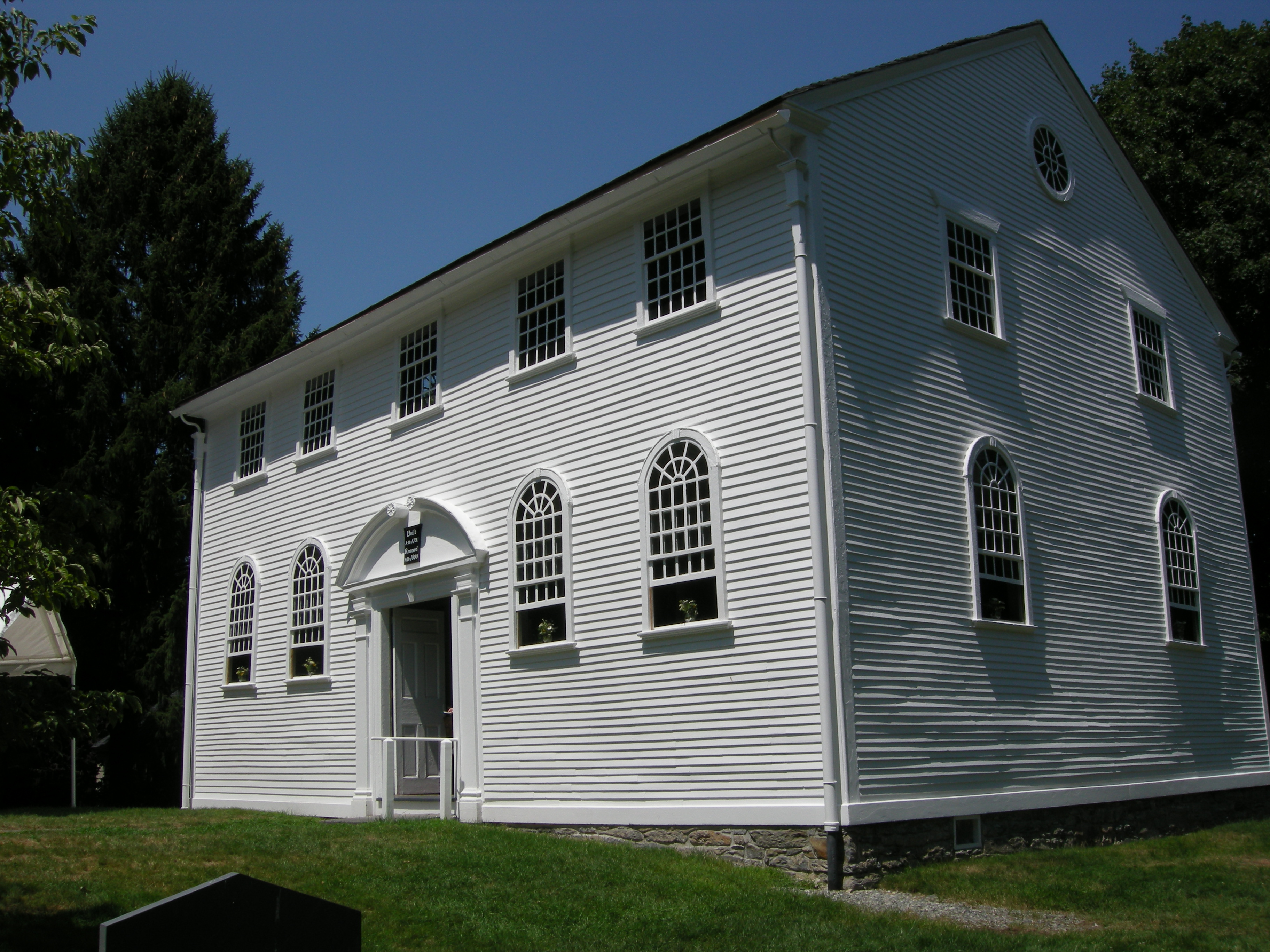
In the center of Wickford, is a “new” church, St. Paul’s, built in the 1800’s.  It is called the “new” church because it replaced the “old” one, just a hidden walkway away.  The Old Narragansett Church was built in 1707.  It was established by the “Society for the Propagation of the Gospel in Foreign Parts” in 1706.  The minister told me that it is the oldest continuously operating church this side of the Mississippi.  Worship services are still held in the summer months.  Gilbert Stuart – our most famous colonial portrait painter, noted for portraits of Washington, including the one on our dollar bill – was baptized here.  On the first Sunday in August every year there is a service called Queen Anne Sunday, where a 1710 Communion service gifted by Queen Anne, and a prayer book of the time, is used.  Familiar names adorn the stones around the grounds.  Many Updikes, heirs to Smith’s Castle, are buried here.

Old Narragansett Church, 1707

Pulpit of the Old Narragansett Church, 1707

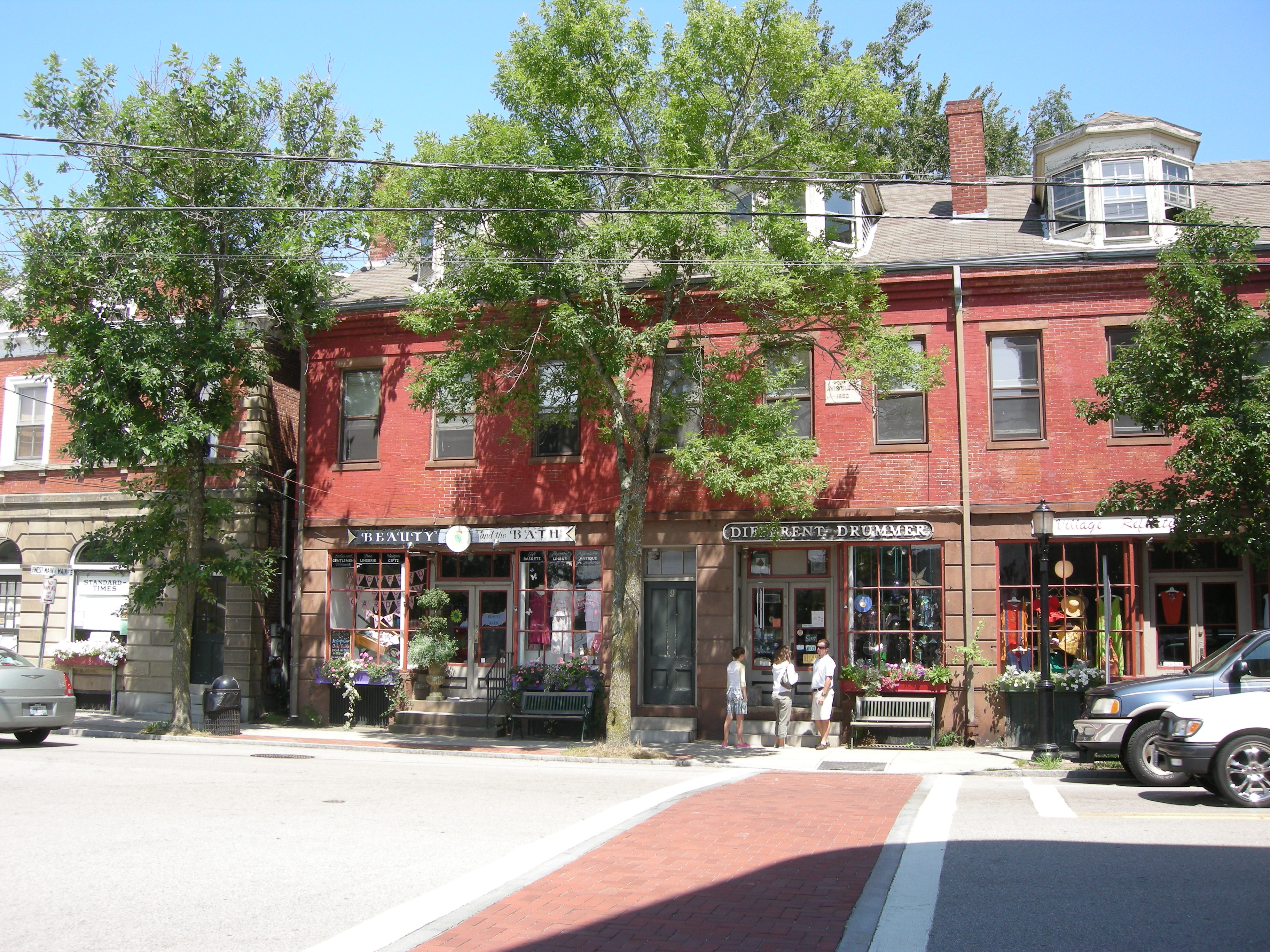
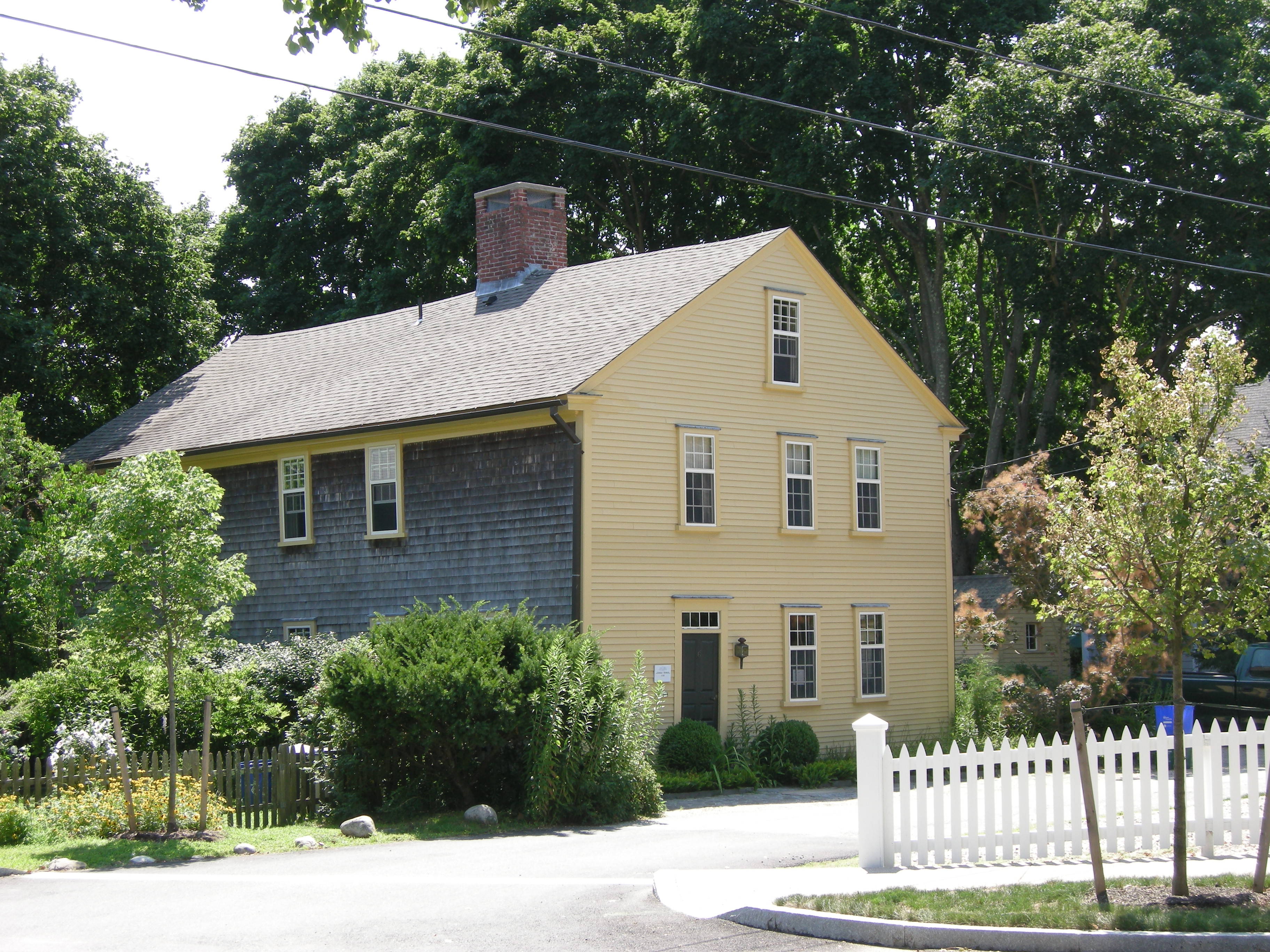
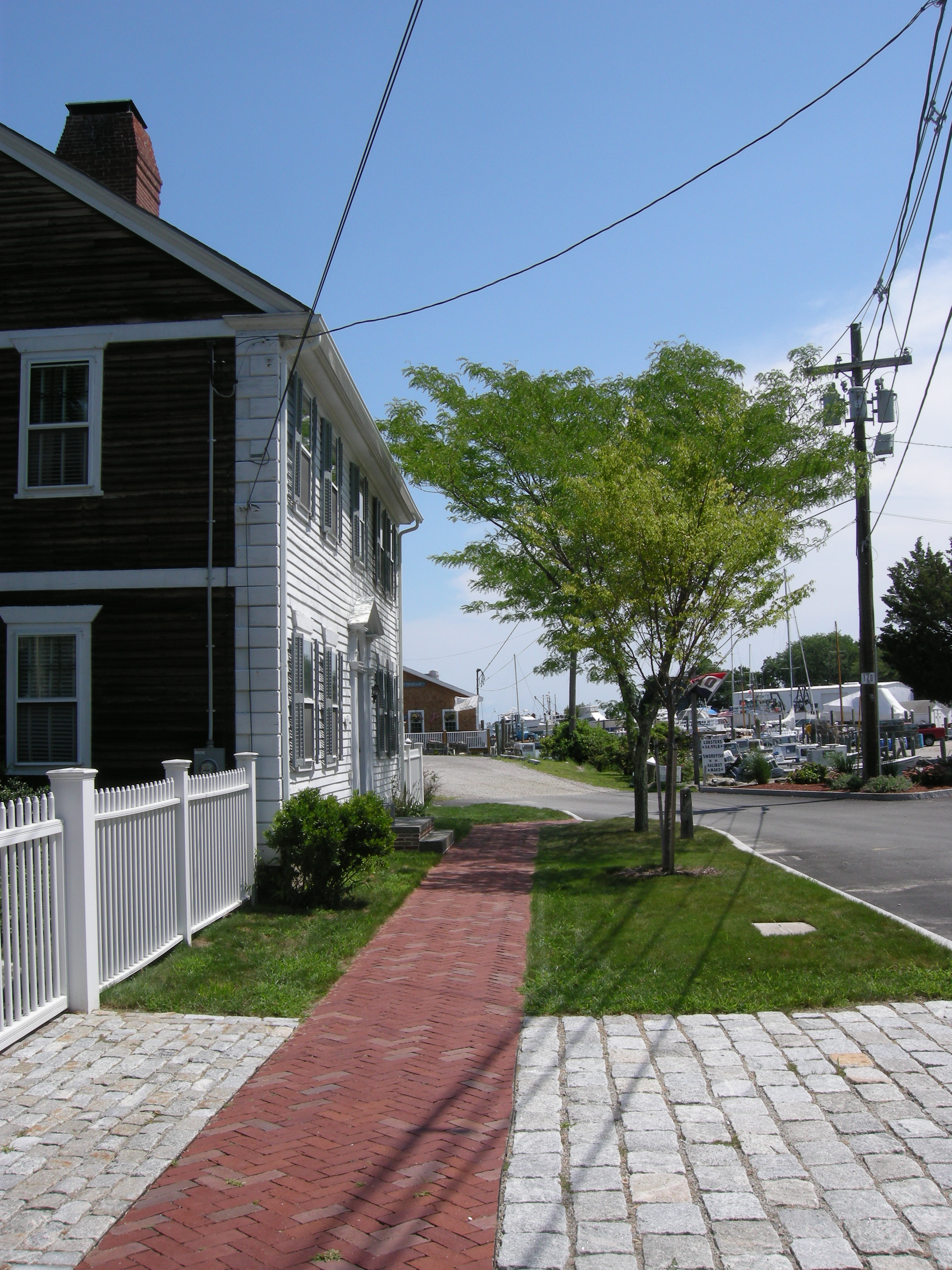
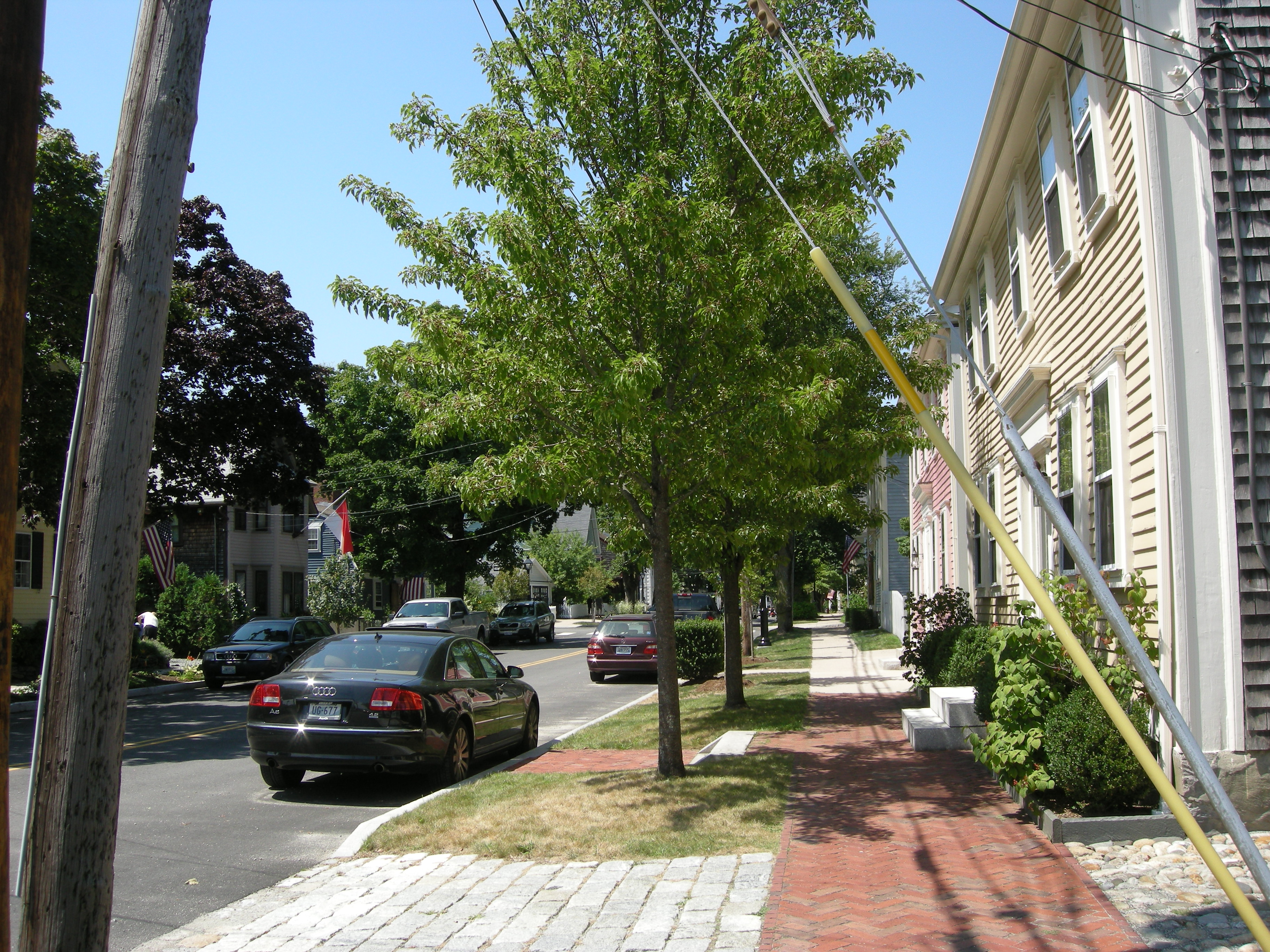
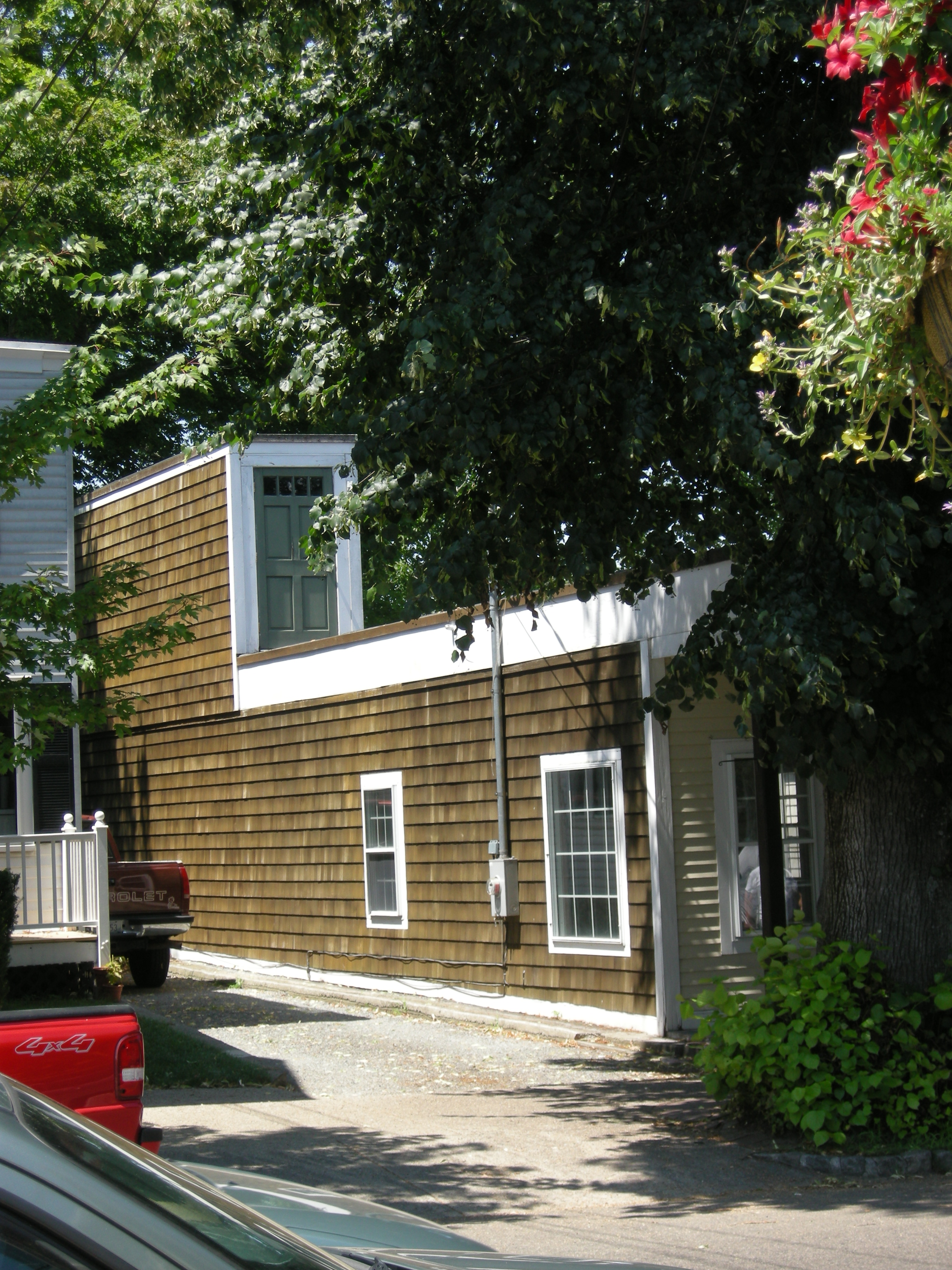
Here are some scenes to give you a sense of Wickford’s old world ambiance.  The merchants and residents love of their village is obvious in the well kept facades and lovely landscaped grounds.  Sit, relax on a bench with your morning coffee, or afternoon ice cream, enjoy the sea breezes and song of the gulls, and pretend for a day that you are part of an earlier, simpler time.

House on Main

Main St. Residence

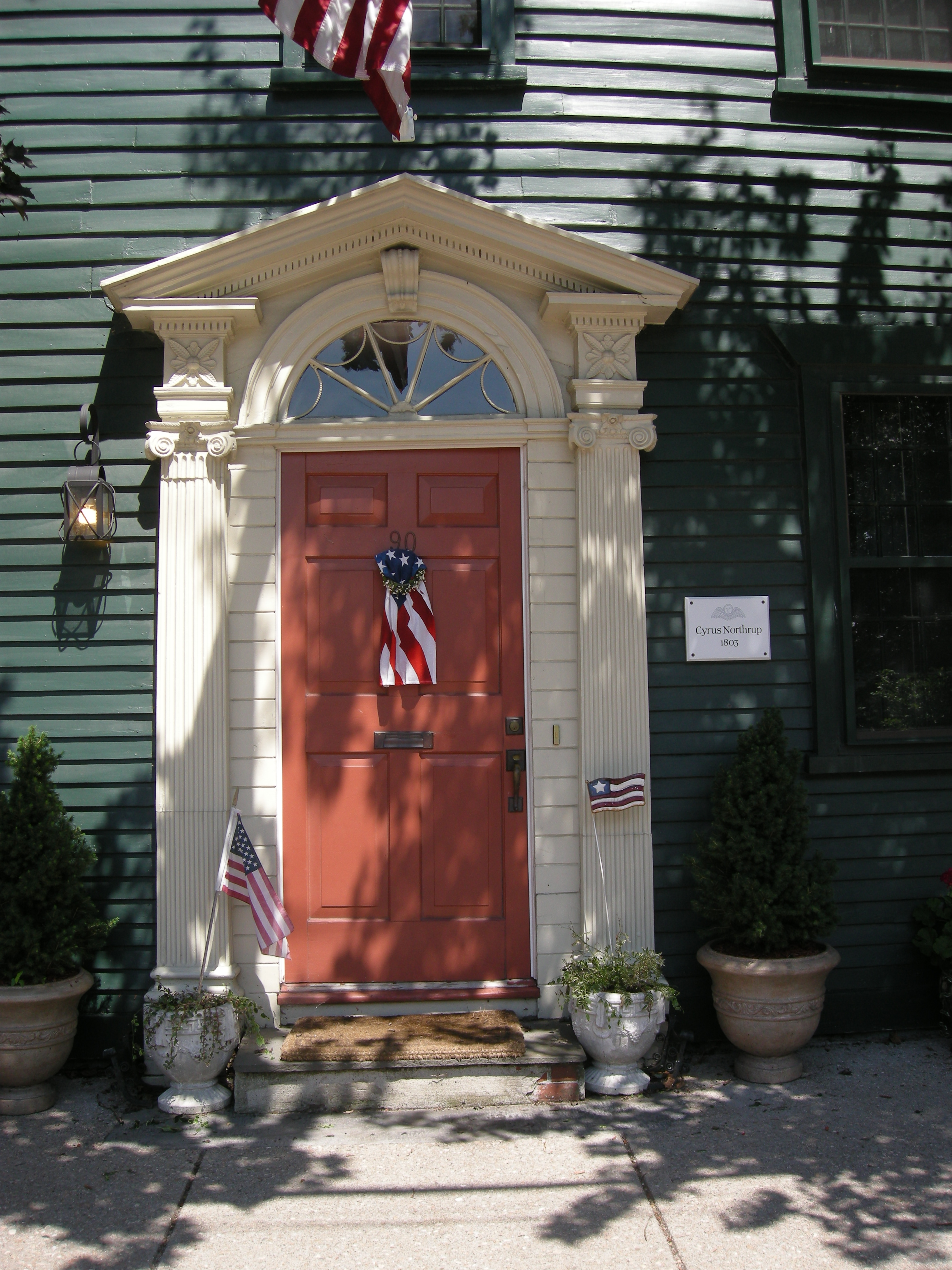
Typical Wickford Doorway

Street Scene

Exploring the lanes

Sweet gambrel with one simple dormer

Love the simplicity of this gambrel, and the single dormer

You can feel time's weight on this one, but carrying it well!

End of Main and Harbor

Harbor at end of Main

Heading back up Main from harbor

Spire of the "new" St. Paul's from alley

This building on Brown St. is for lease – just how does one get into that doorway???

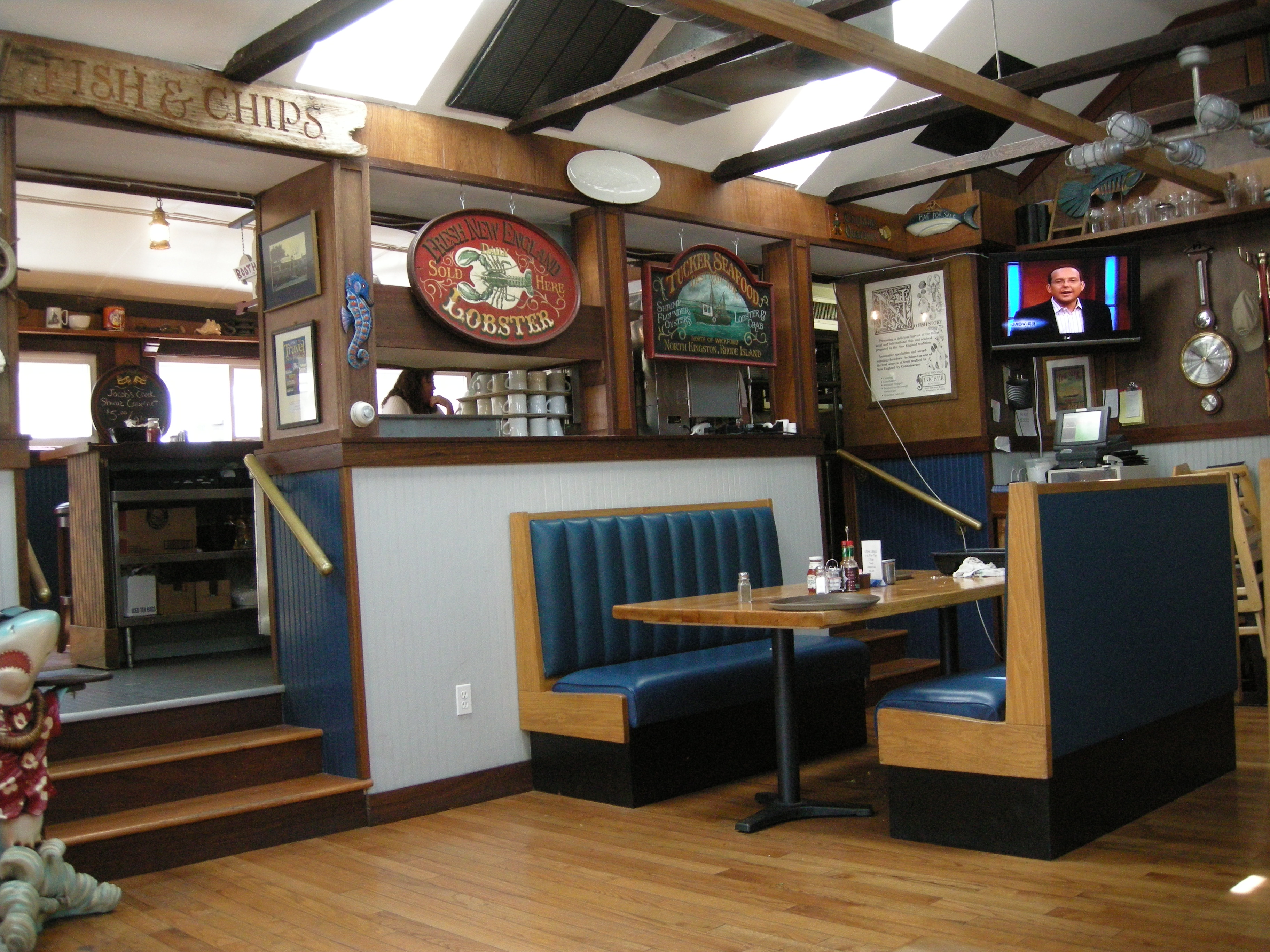
There are several restaurants with waterside dining – but when it’s hot outside, this little diner on Brown St. has the best “clambake” chowder and clam cakes!

There’s a big surprise on the ride out of town – if you’re visiting at the end of July/beginning of August.  Everyone stops to photograph these giant lilies – but you really have to be there!  They are breathtaking in size and beauty.

Giant Water Lilies

gone fishin’

Well, gone fishin’ for fun historic adventures.  It’s summer!  Great time to visit all the houses listed in Historic New England’s “passport” – especially the ones in shore towns.  I’m anxious to visit Nina Fletcher Little’s in Essex, MA next.  A quick trip to the Massachusetts shore always brings surprises.  The trick is to go with a general destination in mind, and then let yourself be wowed by the great architecture along the way.  The scenery and the people are pretty good too.

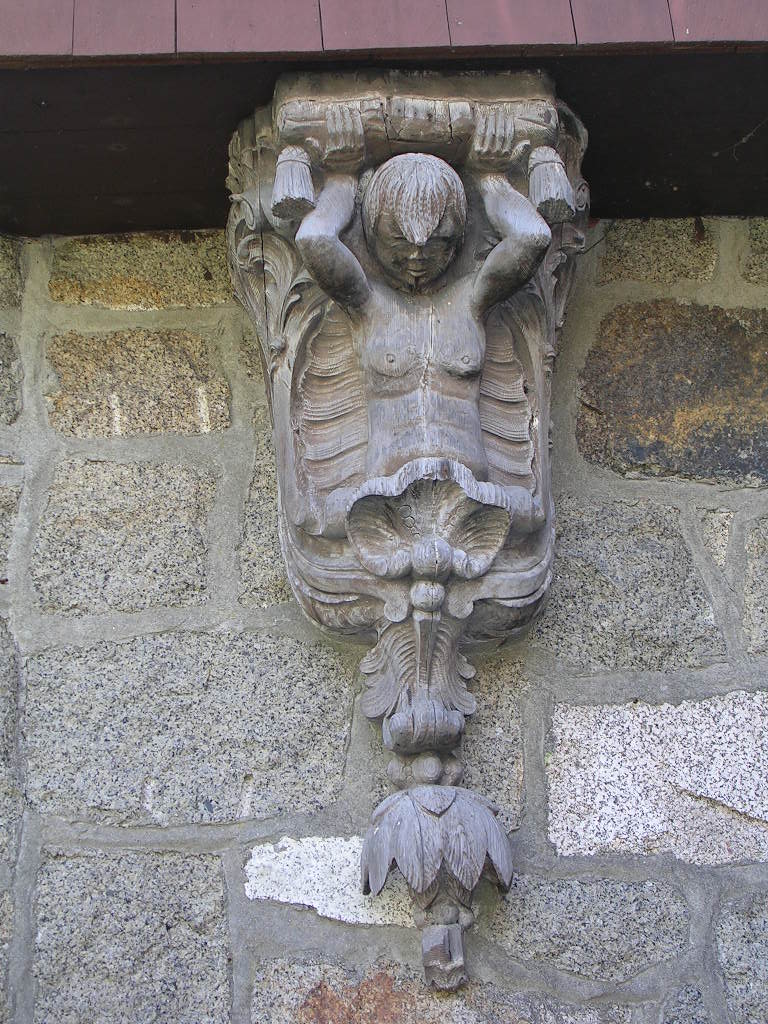
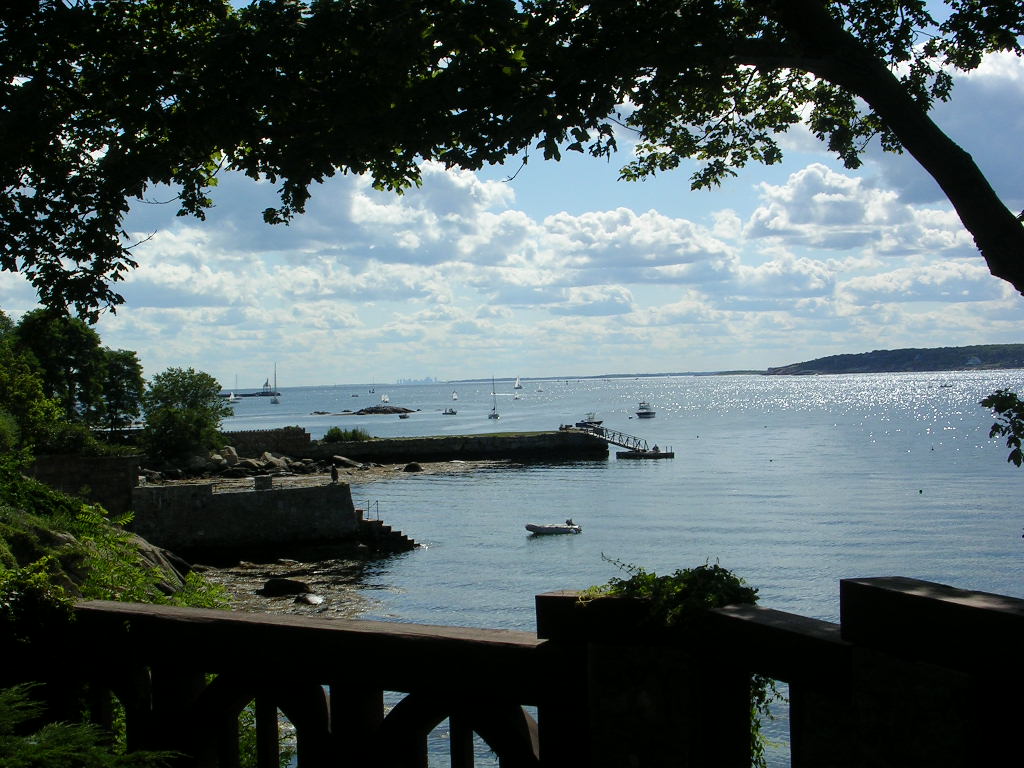
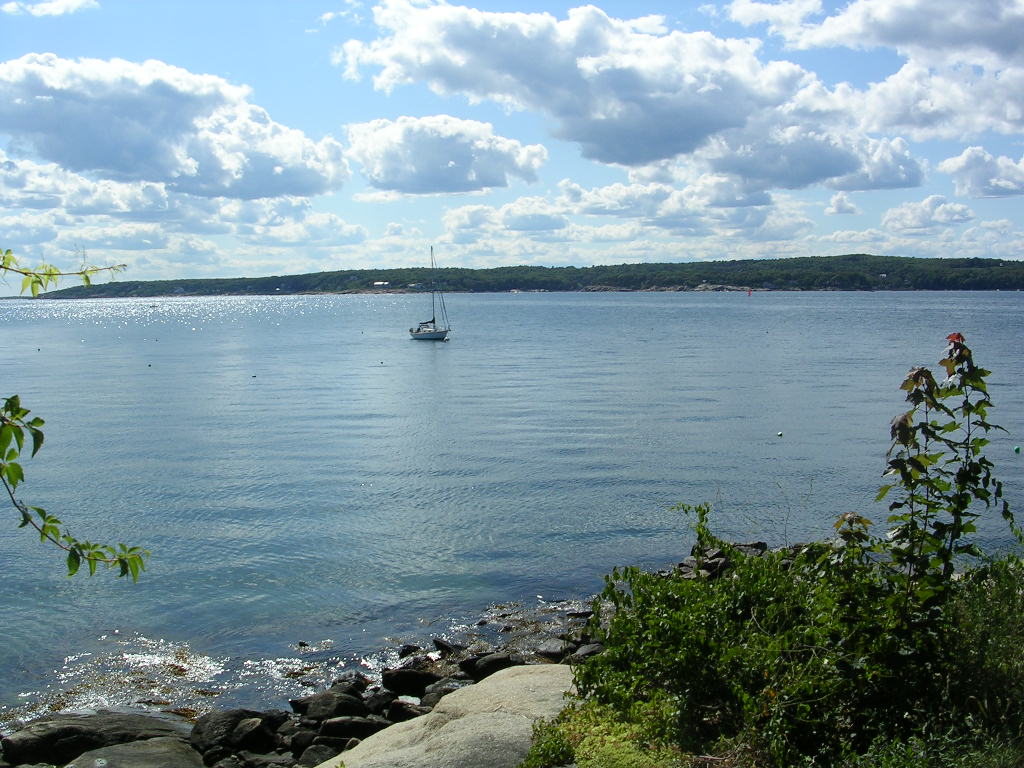
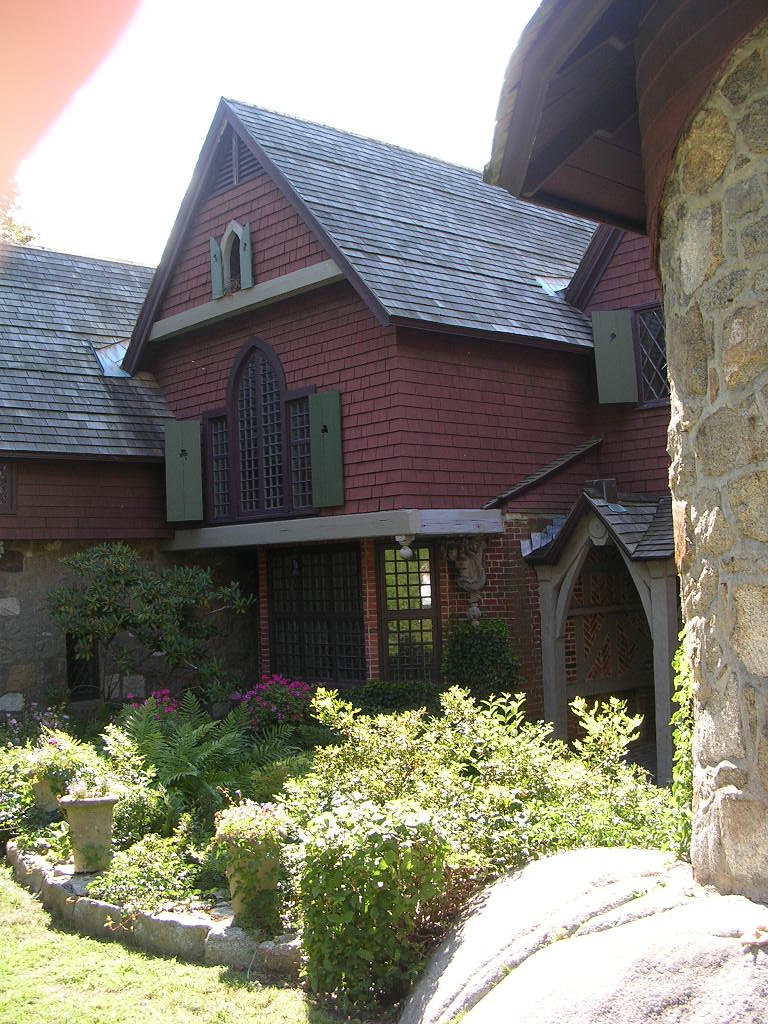
It’s been a hot one so far this year, so the sea is a perfect escape.  On a recent trip to check out a sailboat in Gloucester, MA, we visited one of the most interesting houses, I think, ever created – Beauport.  This house sits on a cliff overlooking Gloucester harbor, with views that rival the Mediterranean.  It’s worth a three hour drive just to sit on the grounds!  Even if you don’t get inside – the outside has a story to tell, if not, there’s enough texture, detail and carvings to make one up.  Go, find out the story of how Henry Sleeper created this masterpiece, from its humble family cottage beginnings and turned it into a fun and eclectic trip through interior design history.  I guarantee an adventure!

Here are some photos to whet your appetite, or to just enjoy if you can’t get there yourself – but I urge you to try!

Portsmouth, NH

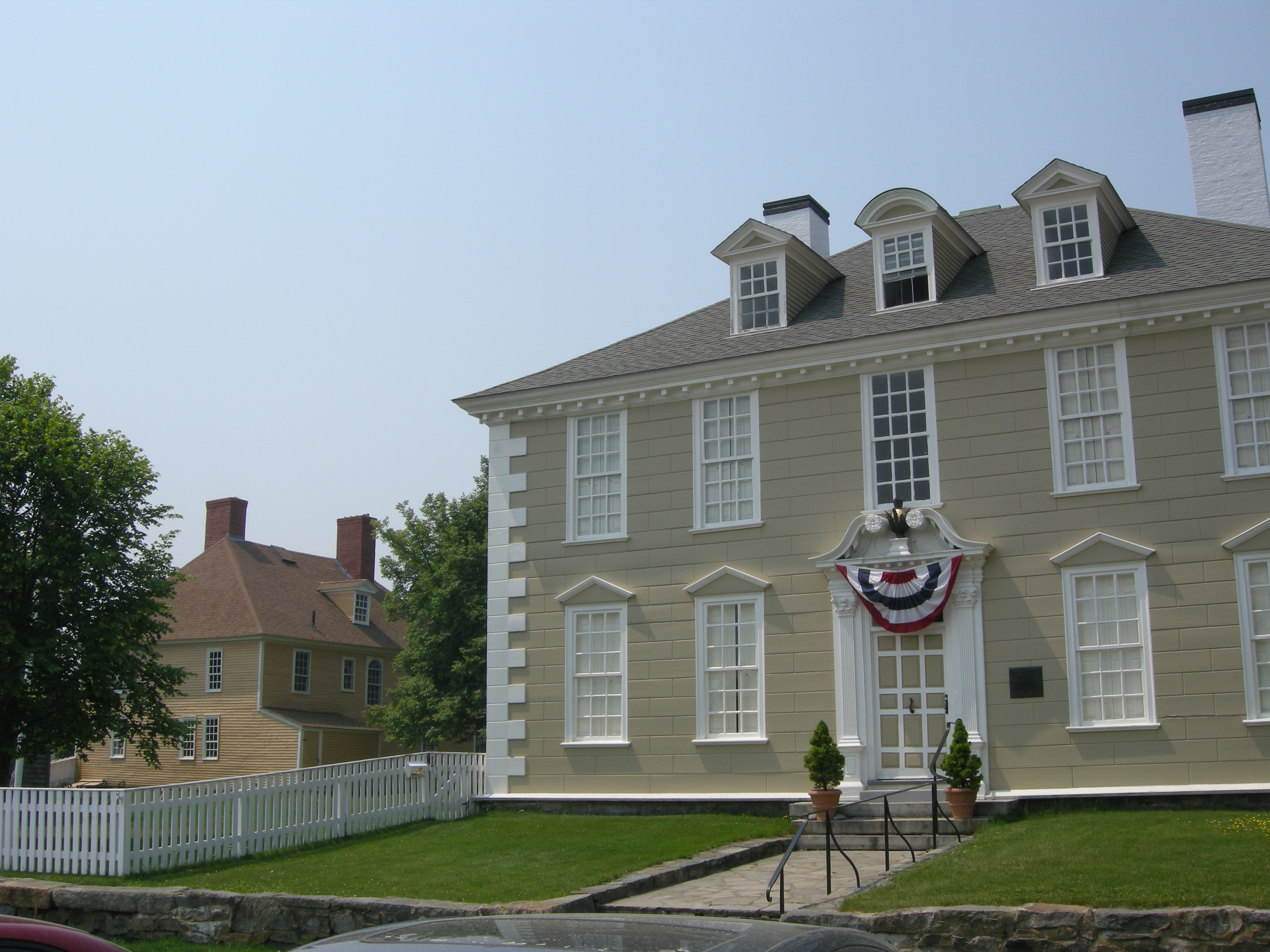
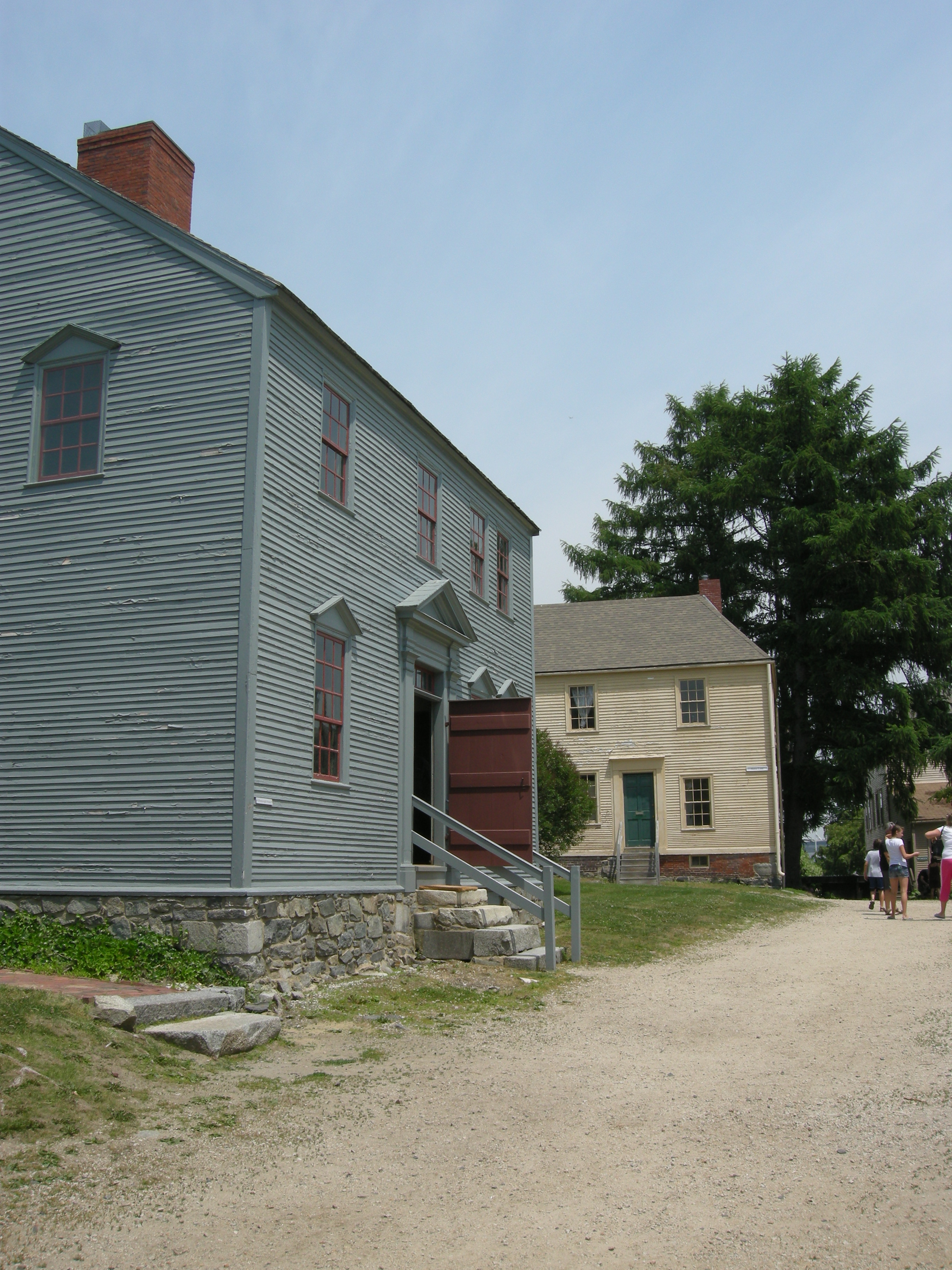
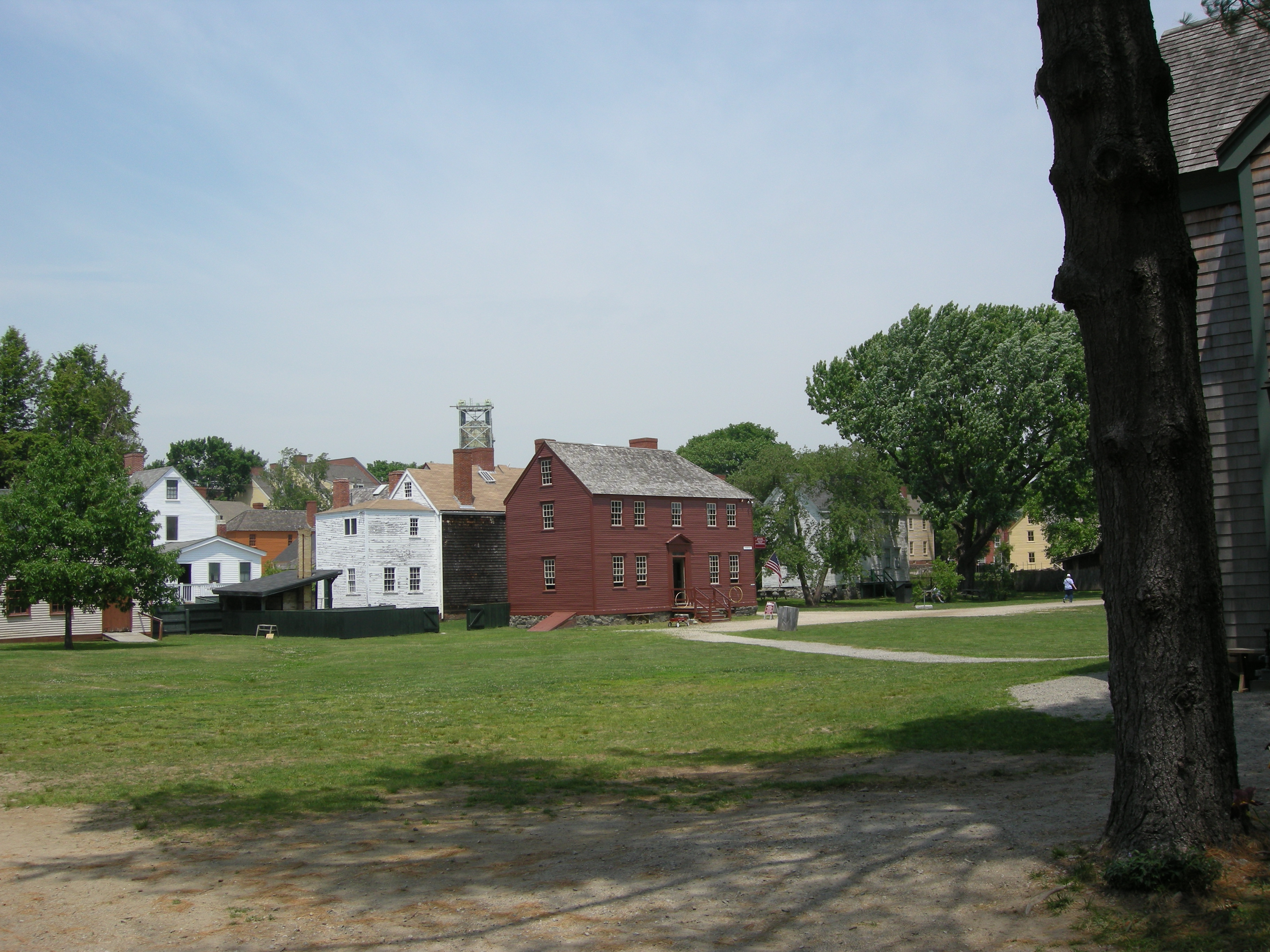
If reading about early architecture and history is not enough, if you yearn to literally walk through its pages – then Portsmouth, New Hampshire is the place for you.  It is a feast for the colonial soul.   Surrounded by original homes of wheelwrights and fishermen, governors and sea captains, you feel as though one might come round the corner at any turn.   Walking along the same paths and alleys as they did, you are immersed in its architecture – four square homes with gabled dormers, pediments scrolled and triangular, elaborately carved doorways with fans and flutes, clapboards held together with rosehead nails and chimneys tall and proud at the center, at the ends, at the four corners.  All stand shoulder to shoulder, to present a village proud of its heritage and dedicated to maintaining it for the future.

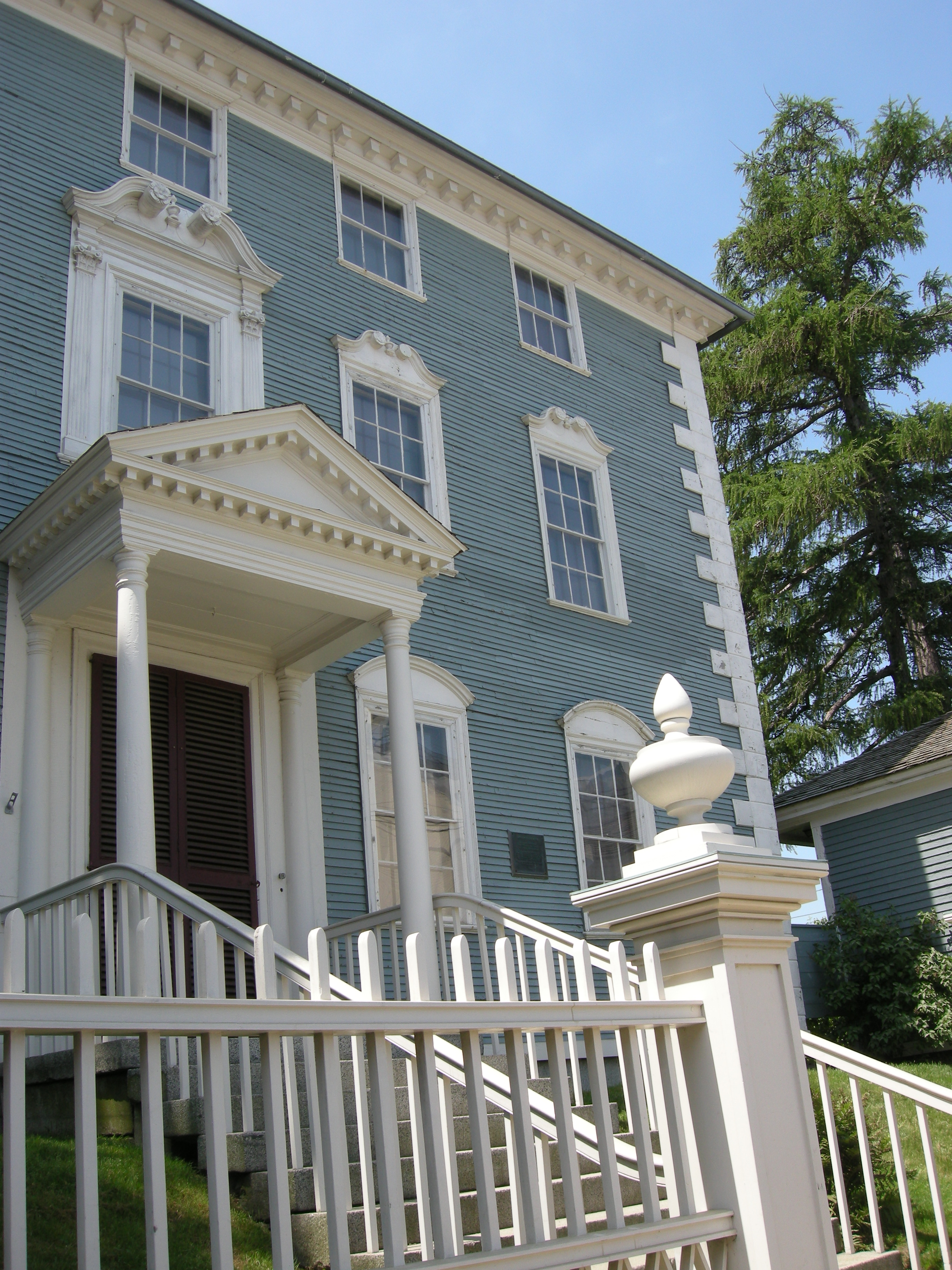
Moffatt-Ladd House

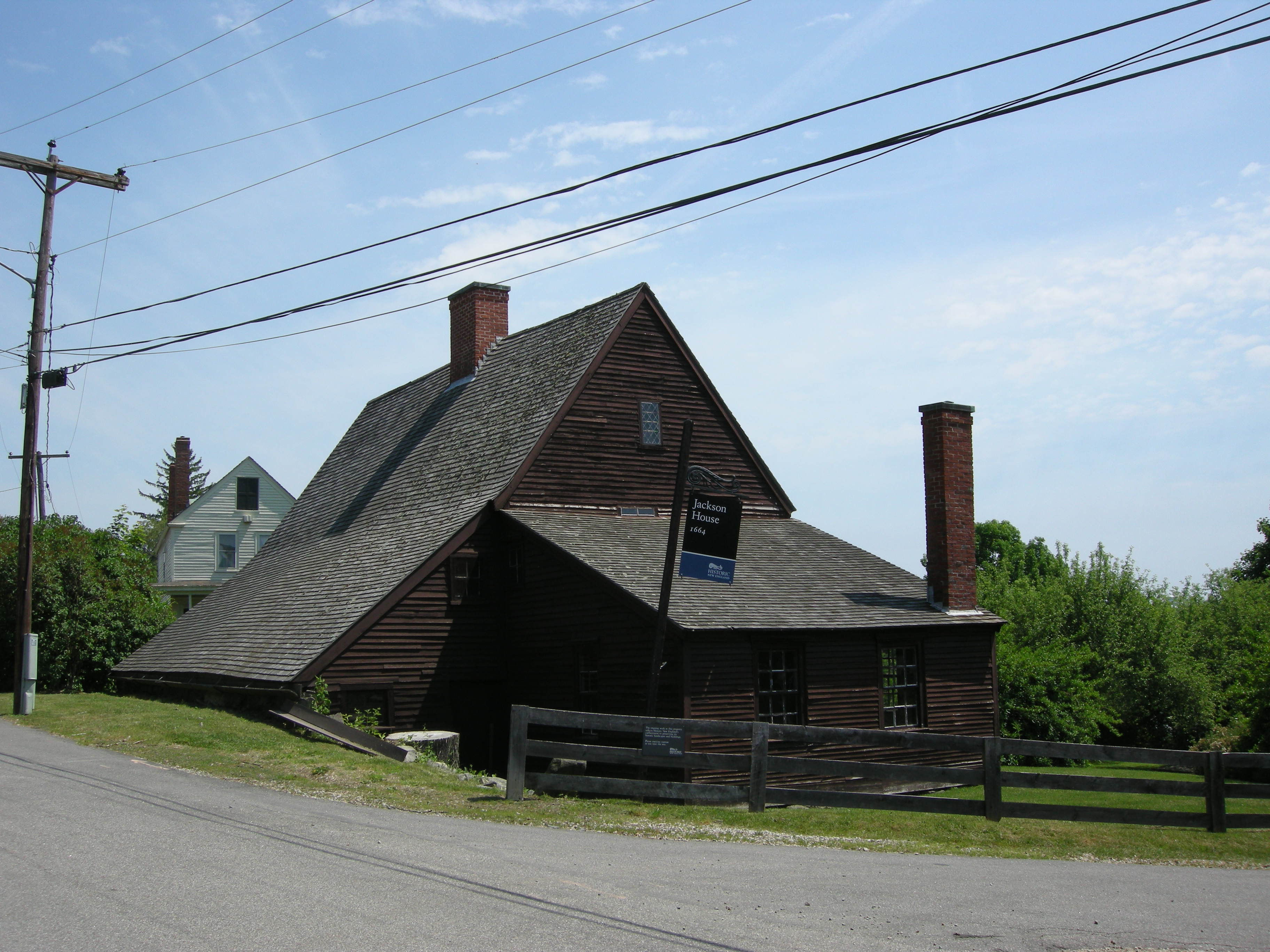
Jackson House - Historic New England

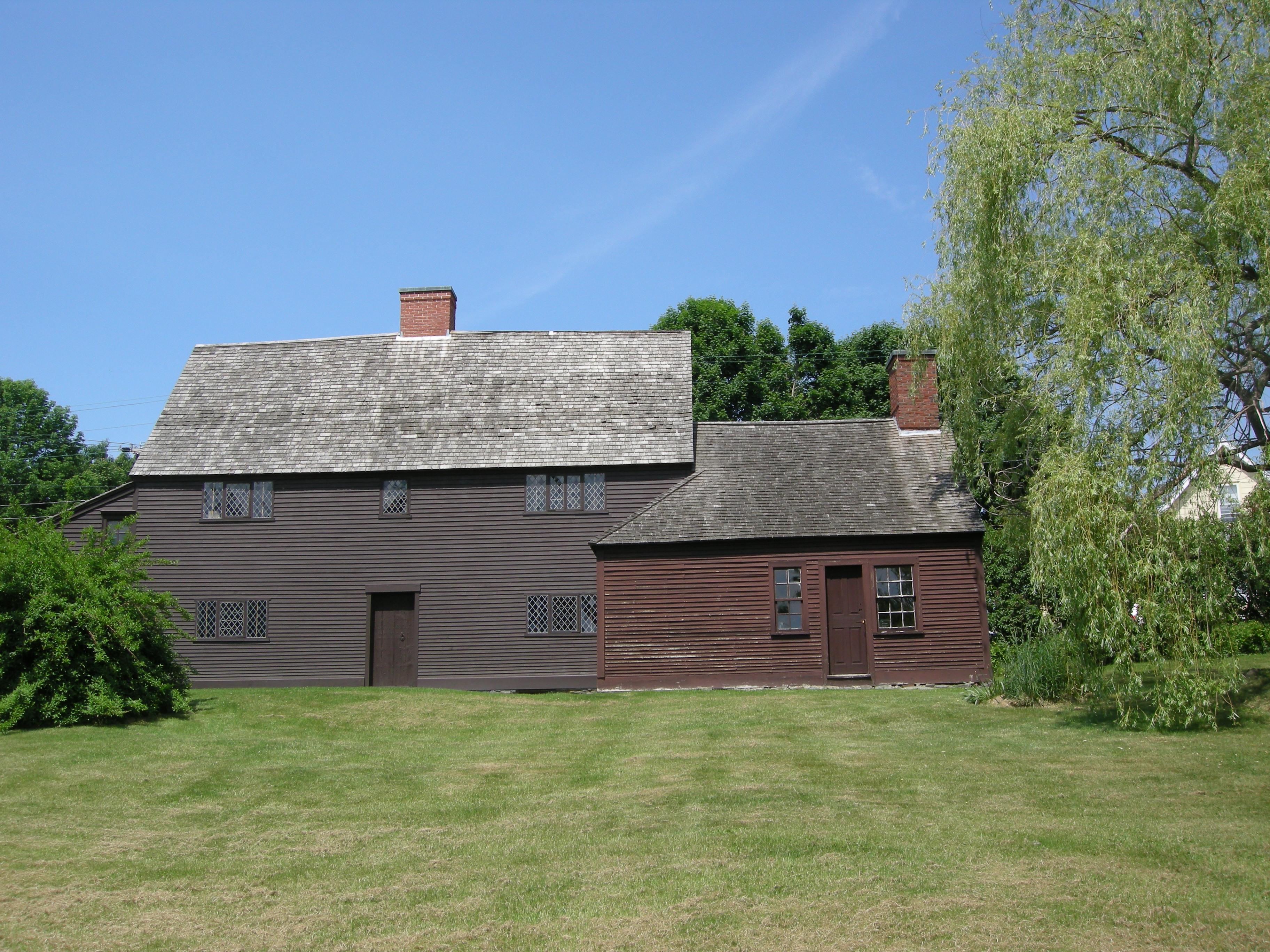
Jackson House - front

There is a museum village, open to the public – Strawberry Banke – Portsmouth’s original name given by the first settlers for the wild strawberries they found growing along its banks on the Pisquataqua River.  It is a wonderful place to spend a day on a self guided tour, and meander through early houses in various stages of restoration.  But when you step outside the museum, nothing changes.  The only difference is that the streets are paved and the houses are private.  They look the same, and they all overlook the water.  The day we visited, the tall ships were in port, adding to the ambiance.

Strawberry Banke

Downtown Portsmouth is a short walk away and is also studded with colonial homes mixed with 19th century buildings that have maintained their character and purpose.  There is plenty of shopping for tourists, a variety of restaurants, a square for the public to sit and relax with a coffee, or gelato (my favorite), and maybe listen to a street musician, all in an old world ambiance.

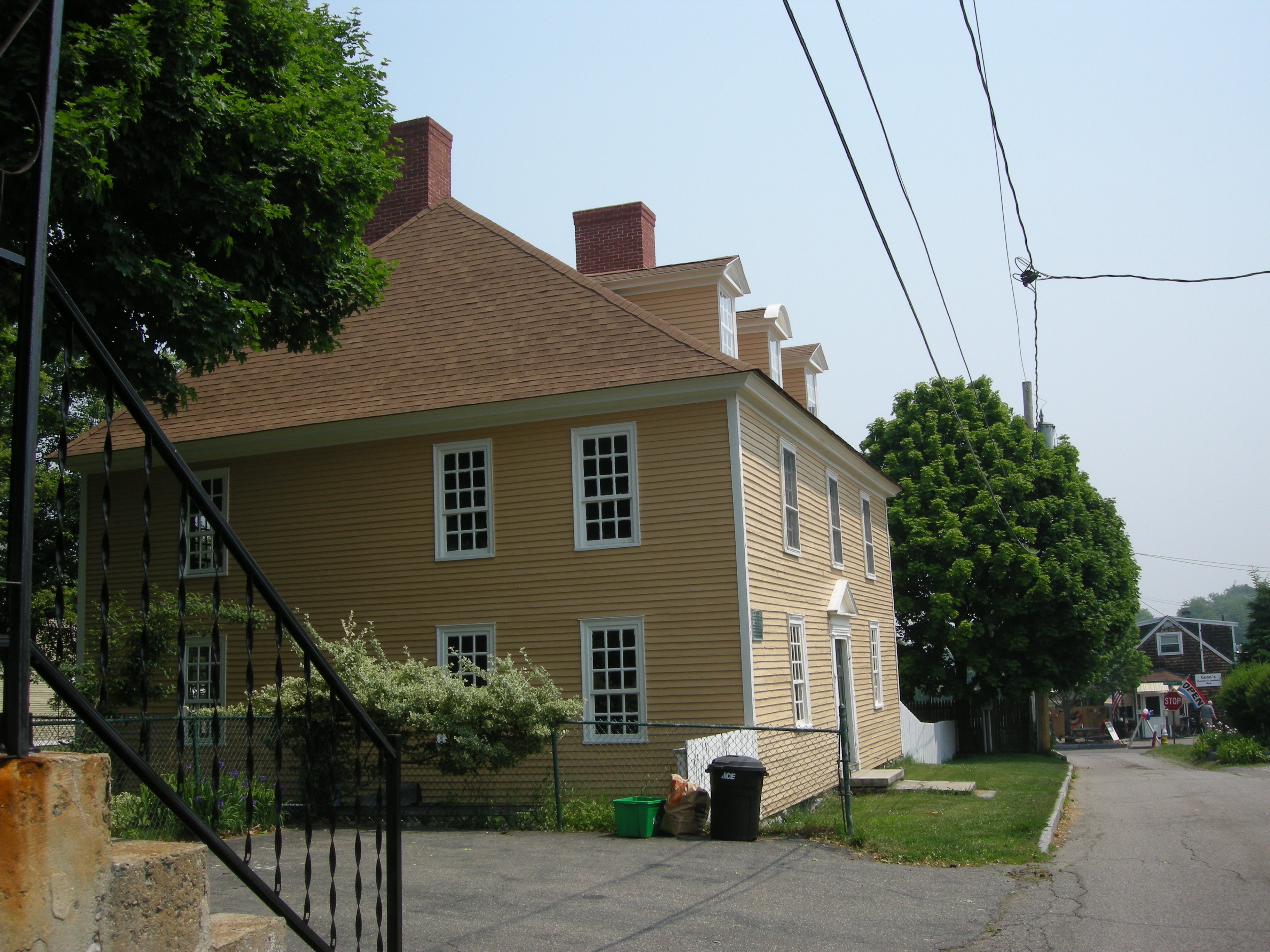
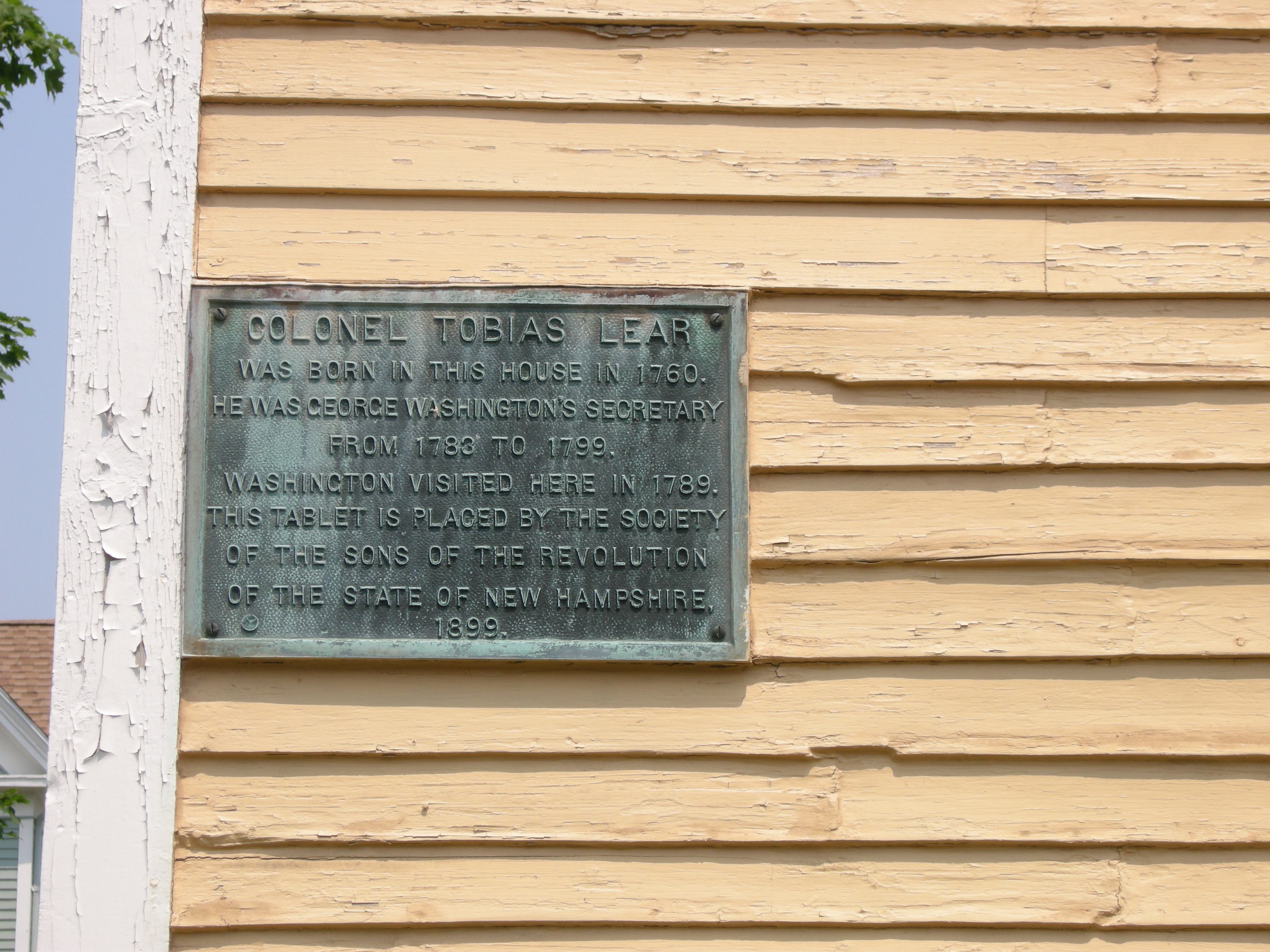
downtown landmarkTobias Lear house

It is said that we should live in the “now” – if that’s true, then Portsmouth is one of those places in which I would be forever delighted to do just that.

A short drive over the bridge to Kittery is pleasant.  Lady Pepperell house is there – it is private, but a feast for the eyes.

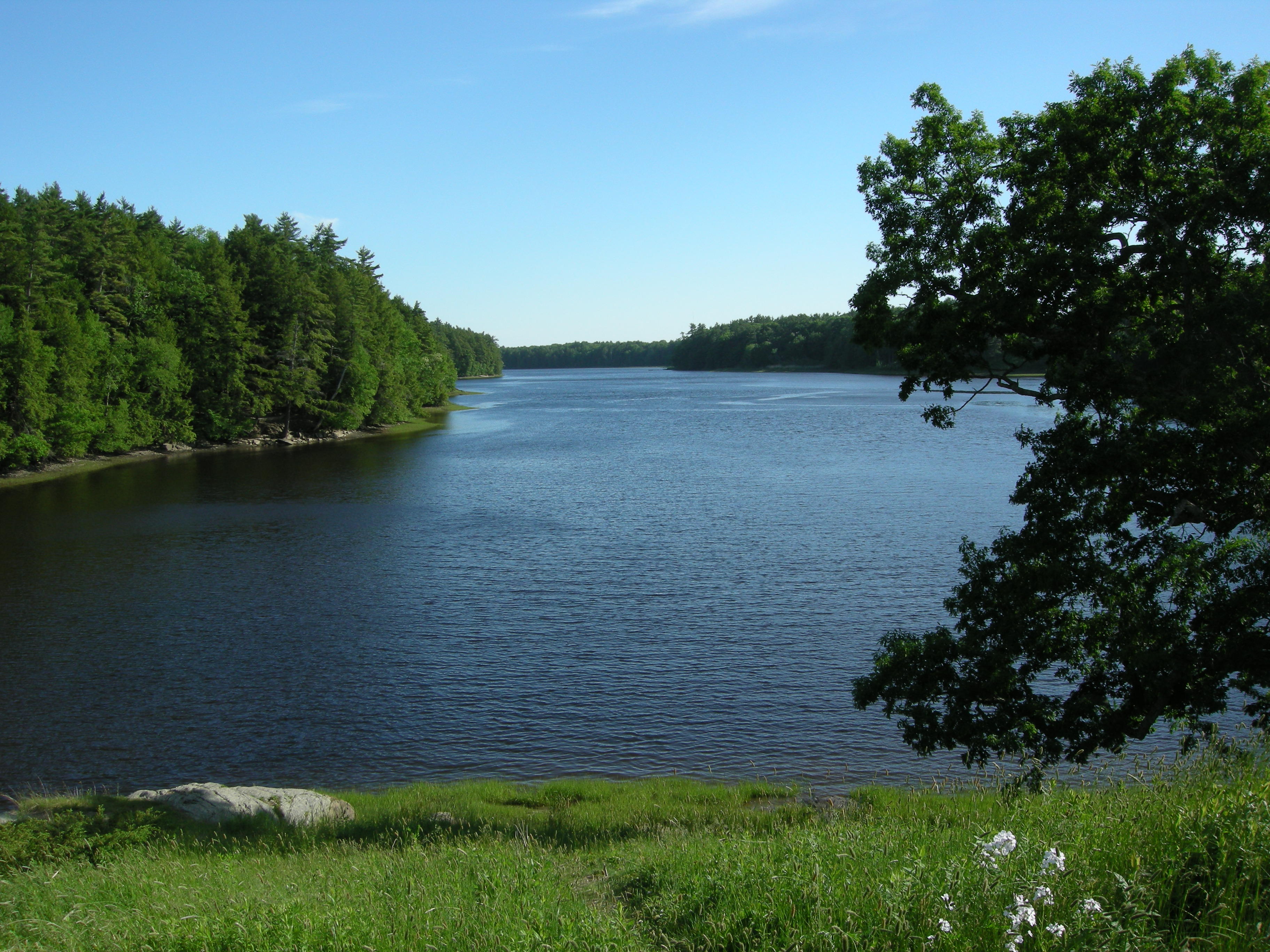
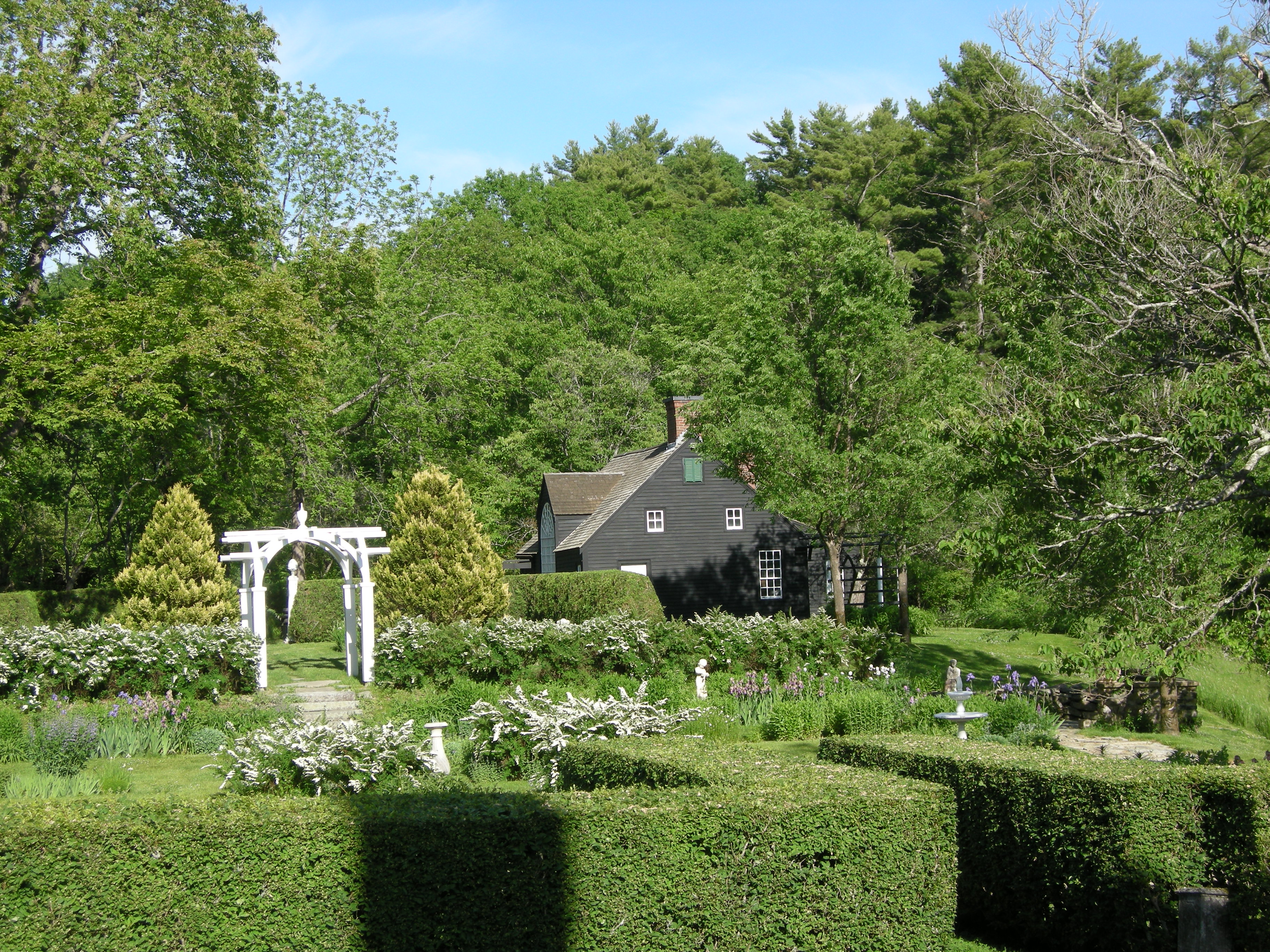
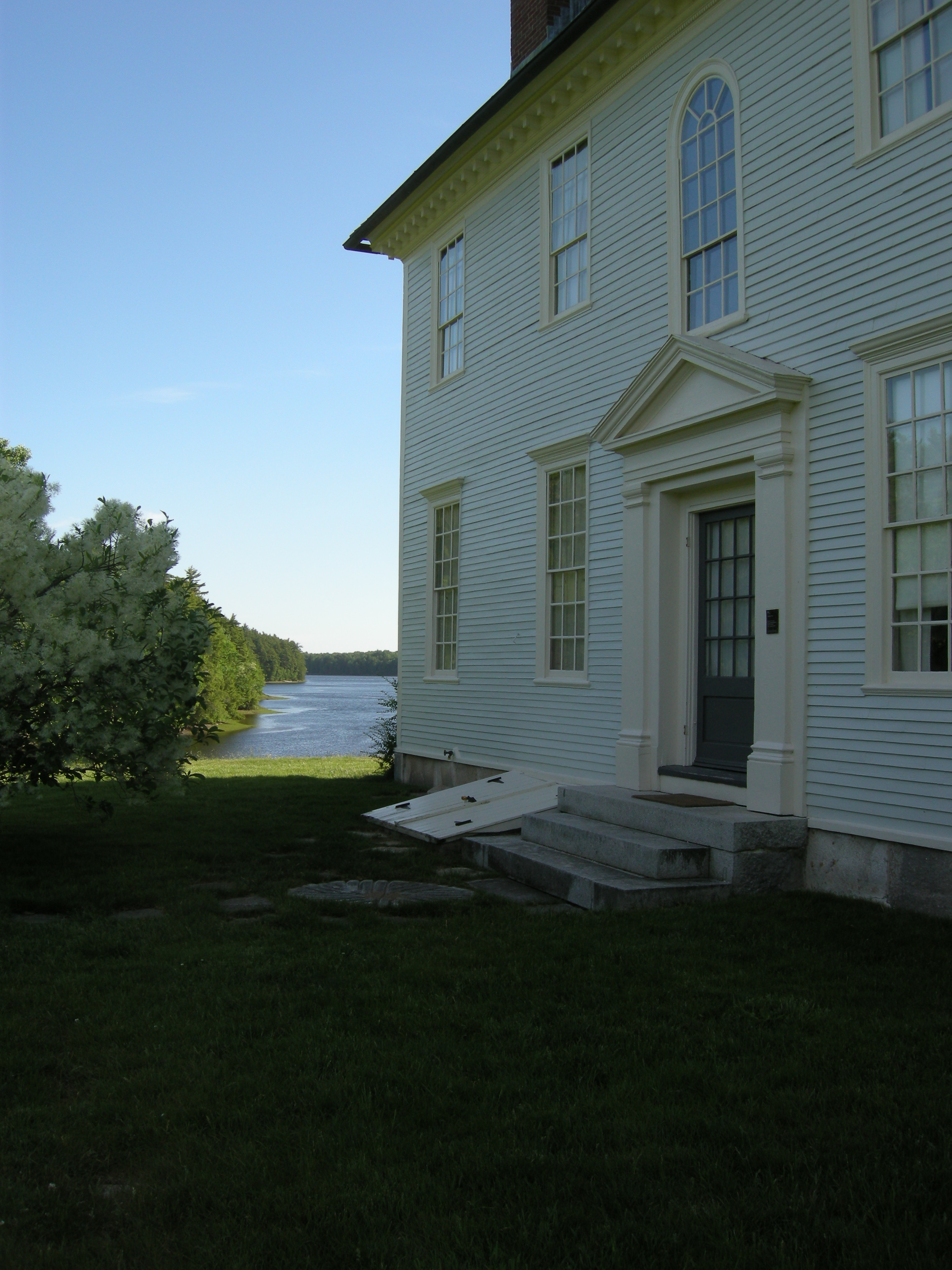
Further on to South Berwick, is the author Sarah Orne Jewett’s house.  I am a fan of her “Country of the Pointed Firs” – another story I would love to physically walk in to – and since her stories are based on her own experiences in her Berwick area, you can!  Her house is lovely, and the history interesting, but my favorite of all time is the house featured on the cover of Wendell Garrett’s book, “American Colonial” – Hamilton House.  Both of these houses are owned and operated by Historic New England, and the site manager of these homes was so kind to give us a tour of both!  Standing at the front door of Hamilton House, looking out over the water, is unbelievable.  If one could actually sell one’s soul for this paradise, then all I can say is I’m glad Lucifer didn’t show up to offer it to me at that front door!

Hamilton House - Historic New England

For more views, inside and out, of Hamilton house, click here –

http://www.historicnewengland.org/historic-properties/homes/hamilton-house/photographic-tour

Saturday, June 5th, Historic New England (formerly SPNEA) is opening all 36 of their houses for free.  For only $55/yr per household you can become a member, gain access to all of their properties anytime, and help sustain their invaluable work.  Please support them.

appliances

Love hate relationship, right?  Love the convenience of them, but do they really have to be soooo big?  And soooo shiny?  And soooo noticeably incongruous?  They just aren’t making cooking spaces out of brick anymore – no one has time to stoke a fire and heat up a bake oven before dinner.  So we’re stuck with them.  And they are one of the biggest obstacles to incorporating 18th century atmosphere into the context of a colonial kitchen.  We either have to overwhelm them – or hide them.  Or, like any sensitive old house owner, we have to sacrifice.  Double ovens may be at the top of our wish list, but if there’s no room for them in the design, they’re out.  A double refrigerator may be second on the list, but again, no room, then down to the basement with a second one, or the freezer, or it’s out.  I’ve lived with a single 30” stove/oven combination for thirty years – ten without a broiler – and I’ve managed as many Thanksgiving and Christmas dinners, and thousands of meals just fine.  (Did I say thousands?  We must eat out more.)

If you have a large kitchen, then there’s a good chance you can overwhelm them.  Small kitchen?  Sacrifice.  It’s worth it – for the other ninety percent of the time when you just want to enjoy the charms of the old house.  That’s why we bought it, after all – to escape from modernity!  To feel like we’re still an integral part of that peaceful, simpler time.

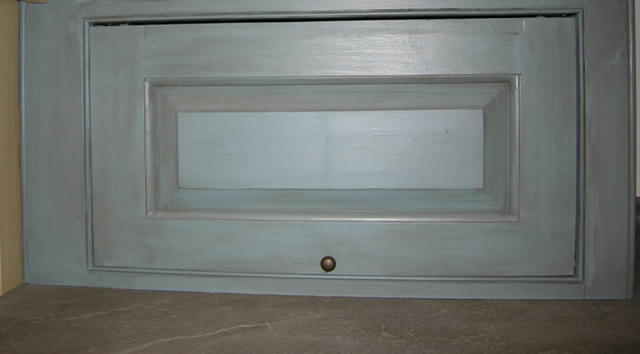
Bring as much of the fabric of the original house – materials and design – into your kitchen.  If your house is early with raised panel doors, beams in the ceiling, wainscoting on the walls – bring it in!  Use similar color finishes, plaster the walls, or add texture to the paint.  Use natural surfaces for counters – wood or soapstone.  Build in the fridge, and cover it.  Cover the dishwasher to match.  But whatever you do, don’t bring preconceived notions from the last house, especially if it was a condo or builder’s colonial, or from a magazine on “new” kitchens, to the antique house.  You don’t have to have double ovens, and please don’t put a microwave above the stove or cook top.  Finishes don’t have to be “sprayed” on, joints don’t have to be blended to oblivion – it should look hand made for heaven’s sake!  When production cabinetry adjoins a hand crafted antique room, the contrast is evident and the result is sterile.

I prefer hand made, hand rubbed, and hand damaged.  My wood counters have burn and water marks, and my door casings have tricycle damage.  It all sands out for the most part, and a new coat of oil or paint is a quick fix.  I like living in a real house.

Immerse yourself in the atmosphere of your old house.  Note all aspects of it from the moulding around a doorway to the size of a bead, from the depth of a raised panel to the size of the baseboard.  If you copy the originals, and incorporate them sensitively into the fabric of the “new” room, with an eye toward proportion and balance – you can’t go wrong.

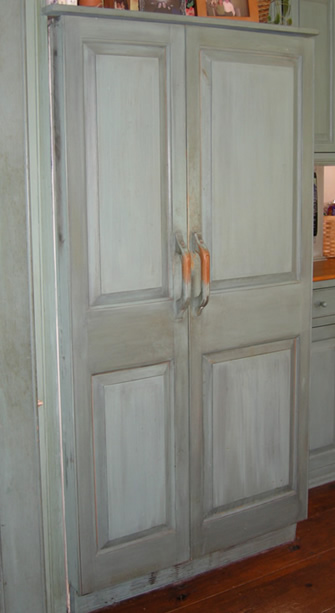
And think outside the box.  If your old refrigerator sticks out too far, and the new shallow one isn’t in the budget, find a way to build it into the wall, or steal space from the room behind it.  Our own fridge was a typical two door with an ice maker in front.  We covered the whole darn thing with wood, screwed the panels right into those metal doors.  It was a cheap fridge, no big loss if it didn’t work. We put a ledge on top, painted the bottom grate to match, added wooden handles and, voila, it looks like a cupboard.

The microwave, if one must have one, can sit in a built-in on the counter, covered by a door. It can be built into the side of an island where it’s less conspicuous, or better yet, if you’re fortunate to have such a space – put in the pantry.

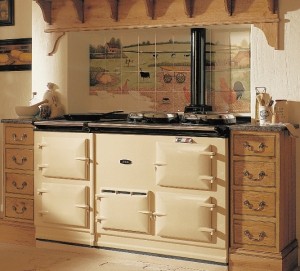
There is a stove that I think is a terrific fit for an old kitchen – the AGA cooker.  Its size shape and porcelain finishes of many colors can be blended into the cabinetry perfectly.  It’s a whole new way of cooking though.  Invented by a man whose wife burned everything she cooked, it’s supposed to be carefree and easy.  It has two to four cook plates (depending on the size you buy), one for boiling and one for simmering, and then there are two or three ovens – for roasting, baking and warming.  The cooker is always on so it warms the room – great for winter, not so great for summer.  They do offer a gas or electric insert for the cooktop to use if you decide to shut it down for the summer.  But that leaves you without an oven.  One of our customers considered buying an Advantium which is a small microwave/convection oven that could be put in the pantry for summer use.

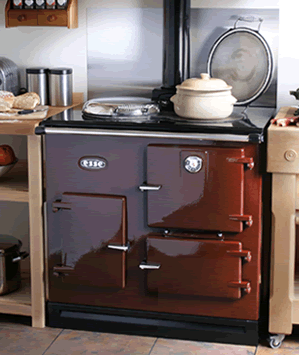
I did find an alternative to the AGA, one I actually prefer, at least from the photo and love the color – the Esse.  There is one distributor in the USA and not many of these around.  I’m guessing AGA was here first, with better marketing, and since there’s not a whole lot of demand for these unconventional cookers, the one with the best marketing wins.  I do hope to replace my stove with this Esse – someday!

Happy cooking!

ghost stories

In old houses we invariably see signs of inhabitants who were once there, but we don’t ever expect to see signs that they’re still there.  In our own travels and travails in old houses, in finding abandoned ones, restoring and living in them, I would have to say that our own paranormal experiences have been sparse.  Fascination with ghosts, and ghost hunting (as seen on more television offerings these days) has not diminished, and you’d think that now, in the 21st century, we’d have developed technology to explain it. I’m guessing the debunkers don’t want to ruin the fun, especially when there’s money to be made.

My grandmother was English, came over from the “old country” in the twenties on her honeymoon, and stayed.  Nana loved to tell tales of ghosts, goblins and galoshes.  I say galoshes because one story was of a serial killer named Johnny Galoshes, who roamed a dank, dark London in the dead of night.  Not sure if he ever got caught, or even existed, but it was a scary tale for a seven year old.  She had friends who read tea leaves, and a deck of cards that could tell fortunes.  For a fragile youth, she kept the fortunes light, but as a teenager she scared me with how much she knew about the new boyfriend she hadn’t met – like which obscure eastern European country he was from!

Needless to say, there’s a dark aura around memories of my grandmother, and her old country – which she always wanted me to visit – but I resisted because I believed it to be damp, dangerous, and haunted.

One morning nana was upstairs making the bed when she saw what she thought was my father in a dark robe, or bathrobe, walk down the hallway – toward the dead end of it.  She thought that was odd, because he should be at work.  When she came out to look around, there was no one, no one else was home.  Later that day, she received a letter in the mail, from England, that her brother had died.

Sometimes, I suppose, the ghost comes to you.  But most of the time, they come with the house.  We all have our stories, or know someone who does, of bumps in the night, odd footsteps, and even apparitions.  We don’t talk much about them, usually dismissing them as tall tales.  But what about these otherworldly souls we strive to ignore.  Can we live with them?

In my new life in old houses, I never gave ghosts a thought.  Eyes were on the prizes inside, the architecture, the woodwork, the history.  But I have to say there have been a few that have left me feeling cold, strange.  One house had been abandoned for years, left empty, damp, dark and cold.  Not a sign of life had been left in it – not a chair, a stove, or bit of trash.  Nothing.  There was a hole in the keeping room floor where you looked down into the dirt basement.

Only animals roamed there now.  While we found many abandoned houses, there was something strange about the atmosphere in this one.  It was unwelcoming.  Surrounded by a hundred acres of verdant fields, beautiful uncluttered views from every window, it tempted us to trade in our own treasure for this one.  But the feeling inside the house was inexplicably cold.  The land beckoned, but the house forebode.

While this one was just a bad feeling, another offered “experiences” – a fourteen room farmhouse, with a full basement that included a summer kitchen with a large fireplace and bake ovens.  Its long ell was all to one side – which made it feel like it stretched on forever.  One could get lost in it.  It had been built by a sea captain said one historian.  Another said he’d been hung as a hog thief.

At night, while sitting quietly in the keeping room, my mother in law would hear footsteps on the stair to the second floor above.  Having lived in a few old houses, and loving them and their spirits, she was fine with this.  My husband also heard those footsteps.  I dismissed them.  My own experience was nothing tangible.  I was alone one night in that house, for the first time, and as I lay in bed I was suddenly overcome with extreme anxiety.  I had no idea why.  I was so frightened I had to turn the lights on, and even the television, anything to distract me from the panic.  My husband wasn’t due until long after midnight, and I thought he’d be too late.  I survived, determined never to sleep alone there again.

Years later, after we’d sold that house, we happened to be driving by and thought we’d stop and introduce ourselves to the new owners.  They were delighted to visit, and invited us in for a tour.  They’d changed a few things, but all in all it was a great trip down memory lane, and they enjoyed hearing about the restoration process and our history there.  Just as we were about to leave, the wife shook my hand and before letting go, a bit uncomfortably, asked if we’d ever had any “experiences” there.  When we said yes we had, the flood gates opened.  They were eager to share their stories with someone who’d understand.  They spoke of hearing their son return from a trip – the outside door slammed shut, heard his footsteps across the floor, go up the stairs, his shoes drop one at a time in the bedroom above – then in the morning learn that he hadn’t returned at all.  No one was there.

She spoke of having to sweep up small piles of sand from that bedroom floor every now and then – not knowing where it came from.  And one day while vacuuming in her kitchen, she turned and there it was.  She was face to face with an apparition.  In shock, she just turned back to her vacuuming – what else was one to do?  And it was gone.

This is certainly an extreme case.  But there are many stories like this, and as many homeowners who are comfortable living with them.  I’m not one of them. I think they don’t want to cause harm, and surely they know they could give me a heart attack.

Our plumber was working in an old house one day.  He was in the basement, crouched down and tending to a pipe by the boiler, when someone tapped him on the shoulder.  He got up thinking it was his assistant, but no one was there.  Figuring he was mistaken, he went back to work.  It happened again.  Got up, nothing.  The third time, he realized something was obviously provoking him, and like a man? – he yelled at it.  He said he told whatever it was in a firm tone not to bother him anymore, he had work to do and he’d be out of there soon!  It didn’t bother him again.

A neighbor of ours has a rather large house with a storied history.  A significant architect built the house and a small child died tragically there in the early 1800’s.  Both seem to still be inhabiting the house.  A visitor there, who, as it turns out, was a medium, told them the older gentleman needed help “crossing over” and the little girl liked it there, and played pranks on them, like unscrewing the light bulbs.  The homeowners were often walking into dark rooms and having to tighten the light bulbs.

And on it goes.  So many stories, so many old houses.  Our own is happy and free of spirits, thank goodness!  At least as far as I know after thirty five years.  Perhaps that medium might find one here, but if so, I believe they are happy and leave us alone.

In finding a husband, a wife, a good friend – chemistry and intuition are key. The same goes for old houses.  In your search for the perfect old house to make your home, spend some time in it alone, and if it speaks to you, well, all I can say is – run like hell!

a beautiful day for – sash repair?

Weekends in New England lately have been heaven.  Seventy degrees in springtime draws out man, beast and foliage, and instills in us an urge to burst out of the pall of winter to rejoice, regroup, renew.  For those of us with old homes, it’s the perfect time to address, and renew, whatever havoc Jack Frost and Father Winter have wrought.

On a recent weekend I decided to tackle some of that havoc.  It was a sunny 72 degrees, birds were chirping, bees buzzing – a delightful backdrop to re-nail a clapboard, oil a rusty latch, and get to that kitchen window repair.  The day before, I had tapped a little too heavily on a pane of glass and quickly found myself tapping on air.  The little 6 by 8 inch glass plunked to the ground.  Obviously, it was time for some maintenance.

Old wood windows, with true divided lights and wavy glass, are aesthetically pleasing, but they take a terrific beating in all seasons.   The thin bead of putty that holds the glass in and the weather out, goes in pliable but over time will harden and crack.  If the paint finish is kept up, it will stay in good shape for years. But left untended, like anything made of wood, it will deteriorate, crack and fail.

It was a warm and perfect day to remove a window.  First, all of the impediments had to go – the clutter, the interior storm, the jamb – to get to the 12/8 sash.  The original plan was to replace one pane, repair the putty in the rest, lightly sand and repaint.  What’s that they say about the best laid plans?  Before the robins had chirped thirty three times, I had denied twenty panes of glass, their window glazing.

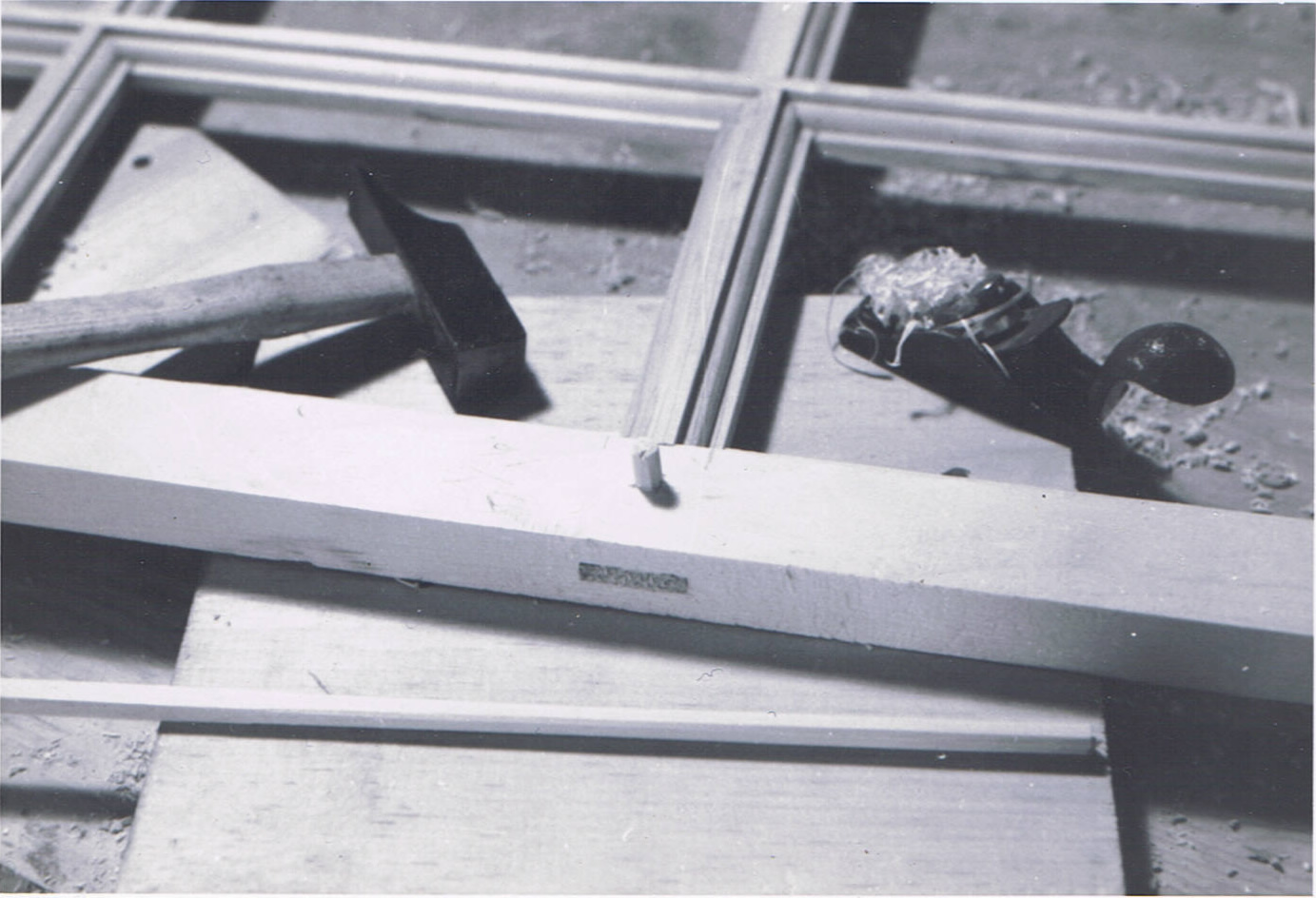
With just a putty knife and an occasional coaxing with a utility blade, the old putty was scraped out and into a pile beneath my sawhorses.  I cleaned the glass, installed new points where needed, oiled the beds with a mix of linseed and turp, and began to re-glaze.

Now, for some folks, this is where heaven ends (no matter how beautiful the day) and hell begins.  I remember those frustrating days years ago.  Never thought I’d get the knack.  I could roll the worms alright, and press them into the bed just fine.  But running the knife down along the pane to get that perfectly smooth and angled shape, well, it pulled and cracked and frustrated the hell out of me.  Thirty thousand glazed panes later, (we used to make a lot of windows) I had the knack.  And although now many years removed, it all came back, just like riding a bike. The exercise can be relaxing and satisfying to see all those tight little panes framed in soft white, refreshed and ready for paint.

Something that could have been an annoying chore was actually a delight.  Coaxed by the birds and sunshine, it is rewarding to create a little order out of chaos now and then – if only in eight square feet of house.  But it’s a start.  With over twenty more sash to go, I figure it’ll take at least twenty more nice weekends.  Then again, maybe forty, since I won’t want to use them all up on window repair.  Then again, what’s a few more years, and a missing pane of glass now and then?